The Lismore App
The Lismore App
Your local digital newspaper
Samson ChallengeAutomotiveHome ImprovementsFarming/AgWeddingsGames/PuzzlesFlood RecoveryPodcasts
The Lismore App

Local


Coffs Harbour Bypass to open in 10 months

23 February 2026, 6:37 PM

Premium

Whether you're a grey nomad, a truck driver, a family holidaying on the mid north coast or someone visiting family in Sydney, this news story will be of interest.The long-awaited Coffs Barbour Bypass is in countdown mode, 10 months to be exact, before it opens to traffic.The 14-kilometre $2.2 billion project began construction in early 2023, so it has been a long journey to reach the point of opening.In terms of time saved, the bypass cuts out 12 sets of traffic lights through Coffs, and is anticipated to save 12 minutes, as well as ease congestion in the Coffs CBD.(Aerial view of the new Shephards Lane overpass bridge, looking north. Photo: NSW Govt)Add that onto the 9 minutes that will be saved on the Raymond Terrace M! Pacific Motorway extension, which is also due for completion at the end of 2026, weather permitting, and a trip from Lismore to Sydney will be 7 hours and 15 minutes. That, of course, is without stopping.A few may remember that the journey would take 11 hours only 20 years ago.Currently, technology is being fitted in the tunnels of the state-of-the-art project, which will welcome tens of thousands of vehicles each day.Large jet fans are being hoisted to the roof of the Gatelys Road and Shephards Lane tunnels to move fresh air into and through the tunnels. (Mechanical and electrical fit in the Gateleys Road Tunnel. Photo: NSW Govt)High-tech electronic, variable speed and message signs, over-height truck detectors and boom gates, CCTV and infra-red traffic loggers will enable Transport for NSW’s Regional Traffic Operations Centre, in Byron Bay, to respond to incidents and reroute traffic and over-height vehicles as required.The Operations Management and Control System (OCMS), developed by Australian company M&E Solutions, is already in use further north at the Tugun tunnel. Smoke and heat detectors will quickly identify vehicle fires and speed up the emergency response. The project team is also installing cable containment trays to link the intelligent transport systems across the three tunnels and paving the tunnels with asphalt.Once complete, all walls inside the tunnels will be covered by architectural panels that will cleverly cover utilities, so motorists travelling through the tunnels can focus on the road ahead. The Coffs Harbour bypass is expected to be completed in late 2027; however, it will open to traffic, weather permitting, in December 2026.More information available at https://www.nsw.gov.au/driving-boating-and-transport/projects/coffs-harbour-bypass.

PACER and SPOT: How will they make a difference to CBD safety?

22 February 2026, 6:42 PM

Premium

After Friday's announcement introducing the new PACER (Police Ambulance and Clinical Early Response) person, Anabella Bontschek and the new SPOT (Suicide Prevention Outreach Team) lead, Timothy Dilli, the Lismore App dug a little deeper into each role and what effect it will have on the people involved and the community.Overall, the PACER program leads to safer outcomes for the community, with a proven track record of early de-escalation of emergency situations and a reduction in avoidable ED presentations.On Friday, it was announced that communication was a critical component of each program's success. So, police, ambulance, and all the elements of Northern NSW Local Health District (NNSWLHD), such as mental health, alcohol and other drugs, need to work closely and communicate effectively to achieve the best outcomes.The first step is usually a phone call to Lismore Police Station on Zadoc Street or to NSW Ambulance.Depending on the situation, a team is sent to the site to assess whether it is a criminal, medical, or potential mental health concern.If it is mental health, Anabella Bontschek, the Clinical Nurse Consultant, PACER at NNSWLHD, triages the situation using a process that has been formulated with NSW Health."Then, we will go out on scene to assess that person. I'm a clinical nurse consultant, so I've worked in public health in Victoria since 2019 in acute mental health, and I have worked PACER in Victoria for the last four years as well. So, I bring that knowledge up here, and I'm hoping to really embed what I've learned down there in the service up here."When I go out there, I will be assessing their mental state then and there, looking at the risks that they're presenting with to themselves or to the community, and focusing on what services I could refer them to in the community mental health sector."I'll be working very closely with our acute care service as well, which is based out of community mental health at Lismore Base Hospital. And I'm sure that a lot of referrals from PACER will be linked with that service or our SPOT program, if that's necessary."It's about linking people with the correct health services ongoing to reduce the amount of distress and crisis that they are presenting within the community, and assessing those risks of whether we can treat someone safely in the community, or if we do need to bring them into hospital."As you would expect, drugs do play a role in someone's mental health."I think that substance use disorders do affect mental health conditions at times. And it is definitely a dual sort of diagnosis sector where we deal with people who are experiencing substance use disorder and mental illness. I think that we have got some really amazing programs at Lismore Base Hospital for drug and alcohol dependence, and those are services that we'll also be referring to as needed," Anaballa said.SPOT is another critical program in the mental health process. SPOT is an acronym for Suicide Prevention Outreach Team, and is led by Timothy Dilli.SPOT is focused on building engagement with people and supporting them to manage suicidal distress. It has four staff who have a lived experience of their own suicidal crisis."I've got a senior peer worker. I've got an Aboriginal peer worker. They both have a lived experience of suicidality. Clients really enjoy engaging with them. You know, we meet people where they're at, so that could be the option to come into their homes. Some people like to go for a walk in the park or the beach. We're very flexible and open in terms of where that person wants to meet with us."We acknowledge a lot of our clients have a history of significant trauma, so we like to engage very slowly and gently, acknowledging that the client is the lead of their care and we're there to support them to improve their quality of life and decrease their risk to self.The SPOT team work in a very integrated fashion with the rest of the health service to link people into the care they need, so they can address the drivers of their suicidality and decrease their risk of completing a suicide."It's been very well received since we launched in November of last year. We've supported about 50 persons so far, and the consumers experience of care has been rated very favourable," Tim said."I think they are really resonating with the peer-led, trauma-informed approach that we use as a service. I'm really excited to continue to build the program and the reach of the program to support as many local community members as possible."Tim explained that the majority of their work is through the Mental Health Access Line, but also through presentations at the local emergency department, which is not the best environment for someone who is suicidal due to the noise and the number of people. If you are helping someone get support, he encourages you ask specific questions."We would encourage people to identify early, like the evidence suggests, asking explicit and direct questions to people about suicide risk. That doesn't create suicide risk. I think it's breaking down some of those societal stigmas and taboos around having conversations around suicide. Because, just asking the question explicitly, there is no evidence to suggest that would increase somebody's risk of completing a suicide."We do a lot of work with carers of people experiencing suicide just to support their capacity to support their loved one through that crisis, and we also do some kind of preventative intervention in terms of a dialectic behavioural therapy skills group, so getting people in a shared adult learning environment to kind of upskill themselves in their interpersonal effectiveness, managing emotional distress."We really hope that the program will equip people to better navigate future psychological crisis. And so far, the results of participants coming through those programs is very favourable in terms of decreased need for service utilisation after completing the program."Trent Taylor, Strategic Partnerships and Innovation Manager, MHAOD (Mental Health Alcohol and Other Drugs), NNSWLHD added, "We know that early intervention and working with people, can prevent unnecessary deaths, and we can keep people alive, and we want to work with the community. "I attended the Lismore community forum that was put on by council around safety, with Janelle and other members of the police and ambulance, as clearly the community are telling us there is a need, and we want to respond to that. So we're really thankful for this project." That point was reiterated by Member for Lismore, Janelle Saffin. "I wanted to say that this is an initiative that we've wanted for a long time, that we did commence some time ago, and we're really thankful for Annabella to come and join and bring her skills with us. This initiative really is about working in partnership with the police, with ambulance and also with our Primary Health Network, Healthy North Coast, because ultimately, we want people to get to the right care at the right time, and this allows people at a time of heightened trauma in their life be able to understand the correct pathway for them.Dave Roptell, Superintendent, Richmond Police District, said his hope is that the perception of crime and safety in the CBD will be reduced."I've been here now nearly 12 months, and when I first got here, I was listening to the community and the perception of the community, there was a lot of crime in the Lismore CBD, and the majority had to do with mental health crisis situations. So the perception of crime was in people's minds, believing that there were criminal activities taking place, when, in fact, our data is telling us that it was a lot of mental health episodes. "I just want to say I've been talking to the police about this initiative, and some of them have been around and seen it before, but the new ones, they're really embracing it, and they're going to take it on board and see the benefits that it will provide for everyone involved."It will likely be 12 months before we see any data on the impact of the PACER and SPOT programs in Lismore and surrounding areas, but both programs should instil a great deal of confidence in the community that improvements will be made each week in 2026.

New online tool supports parents with childhood vaccinations

22 February 2026, 12:19 AM

With increasing cases of measles circulating in the community, parents are being reminded of the importance of on-time vaccination, as NSW Health launches a new personalised childhood vaccination schedule tool.The tool allows parents to create a customised vaccination schedule based on their child’s date of birth, providing personalised guidance and practical reminders to help parents ensure vaccinations are received on time and give their children the best protection from serious diseases.Immunisation helps keep the community safe from the spread of serious illness. This new tool is part of the government improving access to care and reducing pressure on the health system.In NSW, vaccinations are provided for free for a range of serious and highly contagious diseases including whooping cough, polio, measles, mumps, rubella, and chicken pox.The immunisation schedule sets out the best age for children to receive these vaccines. The timing is carefully chosen by experts to make sure children achieve the highest level of protection for each disease. Delaying or missing vaccinations can put children at increased risk of serious disease.In NSW, more than 90 per cent of children are fully immunised; however, it is important to further improve this rate to help protect children and the wider community.The customised schedule was informed by research commissioned by NSW Health, which found many parents and carers felt uncertain, overwhelmed, or unsure where to start when it came to vaccinating their child. In addition to the personalised schedule, families can use the new ‘add to calendar’ feature, which automatically adds a child’s vaccination dates to their parent’s phone calendar.Parents will receive a reminder one week before the vaccination date, along with a calendar entry on their phone for the day the vaccination is due. The personalised vaccination schedule is a guide only. Parents should always speak with their immunisation provider before their child has a vaccine.Vaccinations are available from GPs, Aboriginal Medical Services, some local councils and some community health centres. You can also find a vaccination provider on the healthdirect website.If your child has missed a vaccine, speak to your GP, nurse or Aboriginal Medical Service (AMS).For more information, visit: www.health.nsw.gov.au/vaccinate.Minister for Health Ryan Park said, “We know that vaccination is the best thing we can do to protect our children from serious diseases like measles. With a recent spike in the community, it is important parents are aware and pro-active with vaccination.“Vaccination means kids are less likely to become seriously unwell and less likely to need to visit our hospitals.“This personalised schedule is a great new tool to support parents, helping simplify the process and ensure every child is given their vaccinations on time.”Acting Director of Health Protection at NSW Health Dr Vicky Sheppeard said, “Delaying vaccines can leave children unprotected during important stages of development so we are strongly encouraging parents to book their children in at the recommended ages. This is when the vaccination works best.“Even if your child has a runny nose or a mild cold, don’t delay vaccination. Talk to your doctor or nurse to make sure your child is protected as early as possible.“We know that most missed childhood vaccinations in NSW are due to delays from parents who are time poor, overwhelmed or confused from the amount of information out there, so we wanted to create a trustworthy, easy-to-understand tool that reflects their child’s individual needs.”

Weight-loss wonder pills prompt scrutiny of key ingredient

21 February 2026, 6:37 PM

Blockbuster weight-loss drugs are transforming the way we treat obesity. But while costly injectable versions remain out of reach for many, newly approved tablet forms are expected to significantly boost access and demand.A new study from Adelaide University is turning a spotlight on those tablet versions, finding that the absorption-enhancing ingredient salcaprozate sodium (SNAC) may have measurable adverse biological effects for the gut and beyond. It is the first in vivo study to systematically evaluate the effects of repeated SNAC exposure on gut microbiota composition, function, and metabolic outcomes. In an animal model extending 21 days, researchers identified: Lower levels of beneficial gut bacteria that help break down dietary fibre Reduced short-chain fatty acids, which protect the gut lining and help regulate inflammationHigher levels of blood inflammatory markers An increase in liver weight, which can reflect low-grade inflammation A smaller caecum – the part of the intestine where gut bacteria break down fibre and produce protective compoundsReduced levels of a brain-derived protein associated with cognitive impairment. While the study does not directly show that SNAC causes harm, the findings suggest that the absorption enhancer may have biological effects beyond simply helping semaglutide work in pill form. Semaglutide is the active ingredient in weight loss medicines. When injected, it enters the bloodstream directly. In tablet form, it relies on SNAC to protect it from enzymatic degradation in the stomach and enable absorption into the bloodstream. Without SNAC, oral semaglutide would not work. With the United States approving the Wegovy tablet late last year, and expectations that it will be cheaper and more convenient than injections, long‑term daily exposure to SNAC is likely to increase substantially. Globally, about 890 million people and 160 million children live with obesity, equivalent to one in eight people worldwide. The United States has the highest obesity rate among OECD countries, with 43% of people aged 15+ living with the condition; Australia ranks sixth at 31%, above the OECD average of 25%. In Australia, prescriptions for drugs such as Ozempic and Wegovy have risen sharply in recent years. Lead author and Adelaide University PhD candidate Amin Ariaee says the rapid growth in oral obesity treatments that utilise SNAC makes it critical to understand its full biological impact, in order to mitigate any longer-term adverse health effects. “Obesity is a complex, chronic disease with serious health consequences. These medicines are highly effective and are helping many people,” Ariaee says. “But as oral versions become more widely used, we need to understand what repeated, long-term exposure to all ingredients in the pill means for the body – not just the active drug. “While SNAC enables semaglutide to be taken as a tablet, our study found that it was also associated with shifts in potentially harmful gut bacteria, elevated inflammatory markers and depletion of proteins linked to cognitive impairment. These findings warrant further investigation.” Senior Research Fellow Dr Paul Joyce says that as these are early results from animal models - not humans - the findings should be interpreted carefully and highlight an important research gap. “Importantly, our findings do not prove that SNAC causes harm in humans,” Dr Joyce says. “However, they do show that the ingredient enabling these tablets to work may have adverse biological effects beyond drug absorption. “These medicines are typically taken daily and often for long periods. As their use expands globally, it becomes increasingly important to evaluate all components of these therapies, not just the active compound.”

Lismore family violence film Killjoy raising awareness and money for DV

21 February 2026, 6:12 PM

As we read regularly on the social media pages of the Richmond Police District Facebook page, domestic violence accounts for 60-70% of all crimes committed in its region each week.As domestic violence continues to be a blight on our community, a movie that was a finalist at the 2025 Australian Human Rights Awards is being screened on Saturday, March 7. Revealed: KillJoy offers a unique view of family violence in Australia.The film tells of a Lismore mother’s death, a community's silence and a child’s journey to uncover the truth. Kathryn Joy was three months old when their father killed their mother. He served just 22 months, and by age four, Kathryn was back living with him in the house where he killed their mother, with little knowledge of what happened to her.Spanning over forty years, Revealed: KillJoy follows Kathryn from a child into adulthood as they embark on a journey to uncover their mother’s buried story. Confronting psychological risk at every turn, Kathryn forms a relationship with their mother and builds a meaningful life as an activist.The screening is free and is part of a fundraising event on the eve of International Women’s Day to highlight the unique difficulties encountered by young people who have experienced homicide in their family. It is a fundraiser for the Homicide Peer Network.Mandy Nolan will MC the event, and Kathryn Joy will introduce the film. It will be followed by a panel (20-30 mins), which will include Kathryn Joy and producer Lisa Albert, as well as local activists and therapists involved in ending domestic violence. The panel will be facilitated by Janelle Saffin MP. Also, there will be an art installation kindly provided by Paulette HayesThe Homicide Peer Network is an informal network of victim-survivors that aims to support young people and adults who are impacted by domestic violence homicide. They offer a place to connect, be heard, and engage with advocacy efforts to improve services, with the intention of expanding to offer greater support to children and caregivers. You can support the network through tax-deductible donations via the film’s impact campaign https://documentaryaustralia.com.au/project/killjoy/.Revealed: KillJoy comes with a WARNING: The film explores themes of suicide, mental health, domestic violence and homicide that some viewers may find distressing. Viewer discretion is advised.This is a FREE event, but donations will be gladly accepted to help the Homicide Peer Network.Women’s Health Northern Rivers and Women Up North are supporting this event.THE DETAILS for Revealed: KillJoyWhen: Saturday, March 7Where: Starcourt Theatre LismoreTime: Doors open at 2pm, with the movie starting at 2:30pmRegistration: www.starcourttheatre.com.au

CASPA launches Kinship Carer video series and expands existing supports for foster carers

20 February 2026, 7:27 PM

CASPA has launched a ten‑part Kinship Carer video series designed to make the early months of kinship care less overwhelming and more supported. Short, practical and easy to access on YouTube, the series helps new kinship carers understand what to expect and who they can lean on.“Kinship carers are a lifeline for children entering care,” said Naarah Rodwell, CASPA CEO. “They step up to provide support, stability and safety when a child’s world has been completely shaken. It can be incredibly rewarding, but it’s also tough and often confusing. Carers deserve straight answers, practical tools and a support team that actually shows up for them. These videos are one of the ways we’re trying to make things easier.”The series begins with What is Kinship Care?, then covers the daily realities of the role in short, digestible videos to help kinship carers understand expectations, navigate family time, deliver trauma‑aware care and look after themselves throughout the process. Each video uses plain language and real‑life tips to ease overwhelm and reduce the stress of searching for information at a time when carers are already under pressure and navigating the uncertainty of kinship care.Following the 2024 System Review into Out‑of‑Home Care in NSW, there has been renewed attention on how well foster carers are supported, heard and retained. Government steps such as carer allowance increases and asking for carer feedback are important, but community‑based care only works when non‑government organisations keep listening to carers and closing the support gaps. “Carers step in during a time of crisis. We owe them calm guidance, and a village wrapped around them,” Ms Rodwell added. “These videos are just a starting point, and they sit alongside the training, resources and day-to-day support that out-of-home care agencies like CASPA already deliver.”You can watch CASPA’s Kinship Carer video series here. 

The Weekend Wrap
The Weekend Wrap

20 February 2026, 5:10 AM

Premium

We will see plenty of sunshine this weekend, which will please the majority of readers after last weekend's rain.Sunny and partly cloudy sum up the forecast from the Bureau of Meteorology, with warm 17-degree minimum temperatures and highs of 30 degrees.MARKETSThere are three markets this weekend.The first, as usual, kicks off at 7:30am at the Lismore Showgrounds. The Lismore Farmers Markets have fresh fruit and veg, tea/coffee and breakfast as well as artisan products for sale. Bruce Worrall will perform the live music this week.The Lismore Free Market makes a rare appearance this Sunday, on the fourth weekend rather than the third, thanks to last weekend's rainfall.All items are free. There is no bartering, trading or selling of items. Head to the Lismore Community Garden at 50 Brewster Street, just down from the tennis courts, between 9am and 11am.The Nimbin Markets are also open on Sunday, between 9am and 3pm on Cullen Street.Make a day of it in the hills, and check out multicultural food, recycled inventions, spinning and crafty arts, books, spiritual concepts, clothes and much more that only Nimbin can offer.WALKThis month's walk in the Lismore Rainforest Botanic Garden is the Native Bees as Pollinators walk.Starting at 10am, Graeme will talk about native bees and the plants they love. Perfect for home gardeners.Wear sturdy shoes, long sleeves and a hat. Bring your own water.Meet at the Environment Education Centre at 9:45am. Turn right just before the weigh bridge at the Waste Centre off Wyrallah Road.It is $5 for adults, with children free.BAREFOOT BOWLSNext Wednesday is the final chance to have some fun in the All In The Same Boat Barefoot Bowls Challenge at the Lismore City Bowling Club.It is a few days before the 4th anniversary of the 2022 big flood, so if you want to commemorate with like-minded business owners, managers and staff who want to do something different, have a chat and smile, get a team of four together and call Sharon on 0416 282 247.No experience necessary, just a positive attitude!LIVE MUSIC and ENTERTAINMENTComing up at the Lismore Workers Club:Faulty Towers The Dining Experience Friday, 6 March 2026Inxsive & Gold Chisel Tribute Show Saturday, 21 March 2026The Italian Tenors Sunday, 19 April 2026Graham G Toole presents Kenny Rogers, John Denver and Glen Campbell on Friday, 1 May 2026The Sydney Hotshots Saturday, June 13An Evening with Fatty & Sterlo Saturday, June 20To book tickets to any of the above concerts, click here.CHEAPEST FUEL PRICESLismore experienced price drops this week, some were 2 cents a litre, while E10 and Unleaded 91 dropped by 6 cents a litre, making them cheaper than Ballina for the time in quite a while. Ballina and Casino prices were stable.Here is the list of the cheapest service stations for this week:E10 is 163.9 at the Ampol Foodary Lismore Airport on Union Street, South Lismore, the Shell Reddy Express on Dawson Street and the EG Ampol on Diadem Street, near the Square, 169.9 at The United and NightOwl Puma on Johnston Street in Casino, and 165.5 at the Mobil and Metro on River Street, Ballina.Unleaded 91 is 164.9 at the Astron on Ballina Road, 171.9 at The United, the Casino Roadhouse and the NightOwl Puma on Johnston Street, and the two Liberty's on Hare and Centre Street in Casino, and 167.5 at the Mobil and Metro on River Street, Ballina.U95 is 177.9 at the Liberty on Ballina Road, Lismore, the Independent on Wyrallah Road, East Lismore, 193.9 at the EG Ampol at 130 Canterbury Street in Casino, and 179.5 at the Metro on River Street, Ballina.U98 is 185.9 at the Liberty on Ballina Road, Lismore, the Independent on Wyrallah Road, East Lismore, the Liberty at 113 Union Street in South Lismore, 191.9 at the Liberty's on Hare Street and Centre Street in Casino, and 187.5 at the Metro on River Street in Ballina.Diesel is 184.9 at the Astron on Ballina Road and the Caltex at 2 Leycester Street, 183.9 at the United, the Casino Roadhouse and the NightOwl Puma on Johnston Street in Casino, and 184.5 at the Mobil and Metro on River Street in Ballina.Have a great weekend!Now, have a laugh with the Friday Funnies.....

Minimum age to ride an e-bike to be introduced in NSW

20 February 2026, 2:01 AM

A minimum age to ride an e-bike in NSW is being introduced by the NSW Government as it aims to improve safety for riders, pedestrians and the wider community.NSW will also adopt the European safety and performance standard to ensure e-bikes perform like bicycles, and the current crop of high-powered, illegal motorbikes masquerading as e-bikes are removed from the state’s roads and footpaths.There are an estimated 760,000 e-bikes in NSW. The rapid growth has brought new opportunities for people to get around and to keep active, but it’s highlighted the need for clearer, more consistent rules to support their safe use.The reforms being introduced by the state government recognise the law needs to keep pace with the popularity of e-bikes while ensuring families and riders who have already purchased devices are treated fairly.The government believes this approach strikes the right balance: improving safety for riders and the wider community, while preserving e-bikes as an accessible and popular form of everyday transport.Minimum ageUnder current NSW Road Rules, a child of any age can ride an e-bike and bicycle riders of any age can carry passengers if the bike’s design allows.E-bikes are heavier and faster than traditional bicycles, which can increase the force involved in a crash, heighten the risk of serious injury, and make them more difficult to control and manoeuvre.An expert review led by Transport for NSW will recommend a legal minimum age between 12 and 16 for riding an e-bike in NSW, while also considering whether children and teenagers have the skills, maturity and awareness of potential dangers required to safely carry passengers.As part of this review, there will be consultation with experts in child development and road safety, including the NSW Office for Youth and Young People, and will listen directly to parents and young people before making a final decision on the appropriate age threshold.Advice and findings will be provided to the Minister for Transport and Minister for Roads by June, with the NSW Government to make a final decision on an age limit and passengers.Age limit restrictions will build on e-bike reforms already announced by the NSW Government, including:New powers for NSW Police to seize and crush illegal e-bikes.A trial of portable ‘dyno units’ to measure e-bike speed in roadside compliance checks.Introduced new standards for lithium-ion batteries to reduce the risk of fires associated with e-bikes and e-scooters.NSW will adopt the EU Safety StandardNSW will adopt the European safety standard (EN15194) in March this year to ensure e-bikes operate like bicycles, and not motorbikes.Under this standard, e-bikes must have a maximum power output of 250 watts, and power assistance must cut out at 25km/h. No power assistance is delivered at all after 6km/h if a rider is not pedalling the bike.The standard also includes strict battery, electrical and fire-safety requirements, as well as anti-tampering protections to prevent power and speed limits from being altered.NSW will join only Western Australia in requiring this benchmark, giving riders clearer rules and stronger safety protections.A Practical TransitionRecognising that hundreds of thousands of e-bikes currently in use were purchased legally under a rule change introduced in 2023 by the former government, which increased the allowable power from 250 watts to 500 watts, a three-year transition period will apply.From 1 March 2029, only e-bikes meeting the European standard will be road legal in NSW.The three-year period reflects the typical lifespan of an e-bike and provides households, retailers and manufacturers with certainty and time to adjust.However, after a period of consultation, retailers will be required to clearly specify whether a bike meets the EU standard and is therefore road legal in NSW.The Government will also work closely with manufacturers to ensure future stock complies with the updated rules.The reforms provide clarity and certainty: compliant bikes remain legal and accessible; higher-powered devices will need to meet higher regulatory requirements.This is a staged, practical reform that recognises the reality on our streets while steadily moving toward a safer and more consistent framework for the future.Minister for Transport John Graham said, “We want children outdoors and active, but keeping them safe is paramount.“I am concerned that we have primary school-aged children trying to control e-bikes that, in some cases, are heavier than them.“I acknowledge the concern in the community about groups of teens piling onto fatbikes – often three to a bike – and sometimes breaking simple road rules. This review has been tasked with investigating whether teens have the ability to safely double their friends and how young is too young to be in the saddle of an electric bike.“We are increasing the powers of NSW Police to seize and crush illegal e-bikes, and the adoption of the EU standard is part of building a safe and clear framework of rules around this popular form of transport.”“The community has spoken against souped-up motorbikes masquerading as an e-bike, and this new standard makes clear that e-bikes must perform like bicycles, not motorbikes.“Make no mistake, with more than 750,000 e-bikes on NSW roads, this is a huge challenge to solve, especially after the former Liberal government opened the door to 500-watt e-bikes.” Minister for Police and Counter-terrorism Yasmin Catley said, "Police see firsthand the consequences when powerful e-bikes are misused."By introducing sensible age settings and cracking down on illegal, high-powered bikes, we are helping police prevent dangerous behaviour before more people are seriously hurt.“The vast majority of people do the right thing, and these laws are designed to support them.“This is about getting the balance right so e-bikes remain a useful transport option without putting the public at risk."Minister for Roads Jenny Aitchison said, “While there may be some people who would prefer no age restrictions on riders, we believe the safety risks are significant enough that restrictions need to be rolled out.“We want to make sure riders are physically and cognitively capable to handle e-bikes, so they can be ridden safely within the road rules.“Age restrictions for young riders will help ensure this can be done and reduce the risk of injury for not just young people but also other road users too.“We think the risks are significant enough to warrant a change, and now we want to draw on the best evidence and expert advice available to make a call on what the limits could be. As a result, we will make a decision on the age limits after the findings of Transport for NSW’s review and recommendations are handed down.”  

New mental health support teams hit the ground in Lismore

19 February 2026, 9:17 PM

Residents of Lismore and surrounding communities now have access to increased mental health support, following the appointment of a specialist mental health clinician and the launch of a new crisis support service.There has been a great deal of talk around the appointment of a PACER (Police Ambulance and Clinical Early Response) clinician, who can support police and NSW Ambulance when they come across people experiencing acute mental health episodes. It is thought that this clinician will have an effect on safety in the Lismore CBD.The new clinician will work directly with first responders, supporting them to appropriately recognise, assess and manage mental health emergencies on the scene.The PACER program leads to safer outcomes for the community, with a proven track record of early de-escalation of emergency situations and a reduction in avoidable ED presentations.Richmond Police District Superintendent Dave Roptell said, “Our officers often arrive at incidents to find someone suffering acute mental distress, and having a dedicated mental health clinician working alongside us is an invaluable addition to the way we serve the community.“The PACER model means we can better identify what someone needs in the moment and ensure people in crisis are connected with the right care as early as possible.”“This partnership strengthens our ability to keep both the individual and the wider community safe. It’s a practical and compassionate approach to policing, and we are already seeing the positive impact it can have.”Additionally, a new mobile Suicide Prevention Outreach Team (SPOT) has begun operating at the Lismore Community Mental Health Service.The team is made up of specially-trained clinicians and peer workers who provide on-the-ground support for people experiencing a crisis, suicidal distress, or at risk of self-harm.Following an initial assessment by Lismore Base Hospital’s Emergency Department or the Mental Health Line, people at risk of suicide will be referred to the SPOT team.They work out in the community, caring for those who need it at home or wherever they are most comfortable. This service reduces the barriers that prevent people from accessing support and eases demand on hospital emergency departments. Anyone experiencing mental health concerns is urged to call the Mental Health Line on 1800 011 511.The Mental Health Line is NSW Health’s 24/7 statewide phone service, which links people with trained mental health professionals, who are able to offer advice, complete a brief assessment and make recommendations for appropriate care. It is a free service. Minister for Mental Health Rose Jackson said, “The NSW Government is committed to ensuring we improve access to safe, high-quality mental health care to everyone who needs it, including those in our regional and rural communities.“Both the Suicide Prevention Outreach Team and PACER services can be life-changing for those who need it, ensuring the community gets more appropriate care at the time when they need it most.“Experience elsewhere in NSW has shown the presence of a PACER clinician at a police station increases the knowledge and understanding of mental health issues among officers, providing real-time social and clinical information during an emergency.”Minister for Police and Counter-terrorism Yasmin Catley said, “Police carry an enormous responsibility and are often the first on the scene when someone is experiencing a mental health crisis.“This rollout makes sure that our officers are backed by specialist health professionals, so people receive the right care. It’s about giving police the support they need and delivering better outcomes for the community.“Mental health is a critical issue in every community. By partnering police with clinical experts, we’re building a more compassionate and effective response when people really need it.”Minister for the North Coast and Member for Lismore Janelle Saffin said, “Mental health support is a top priority for me, and I am incredibly pleased to see these two vital services hit the ground in Lismore to provide the care our community deserves.“I have long lobbied for the PACER program to be permanently established in our region because I know how much it matters to have a mental health clinician working directly with our local police and paramedics. Having a specialist on the scene during an emergency ensures a compassionate, health-led response that de-escalates crisis situations and keeps people out of the ED when they can be better supported in the community.“The launch of the Suicide Prevention Outreach Team (SPOT) is another significant boost. By providing mobile, on-the-ground care where people feel most comfortable, we are breaking down the barriers to accessing help.“These investments are about making sure that when someone in our community reaches out for help, they get the right support, at the right time, right here at home.”NNSWLHD Acting Executive Director Mental Health Tamahra Manson said, “We’re excited to expand our support to people experiencing a mental health emergency by offering care and support when and where it matters most – in real time, as it is happening, in people’s homes or out in the community.“The Suicide Prevention Outreach Team program has been extremely well received by local consumers since launching in November, and we are confident of a similar response to the PACER program, which went live in February.“We expect these two programs to have a significant positive impact for the Lismore community, who have been so traumatised by flooding disasters in recent years. We will be able to provide early links to community and welfare services for those in need, complementing services already on offer at Lismore Community Mental Health Service.”

Sydney Mardi Gras All-Nighter: 24-hour metro and late-night trade

19 February 2026, 6:57 PM

For those Lismore App readers heading to Sydney for the Mardi Gras next week, the NSW Government has announced that metro and rail services will run 24 hours for the first time ever and plans for venues to trade into the early morning. This year’s event is set to benefit from special event trading hours, which would allow eligible hotels, bars, clubs, restaurants, nightclubs and live music venues in the Oxford Street cultural and creative precinct to trade until 6am on Sunday, 1 March. Supporting the parade and the late trade, partygoers can jump on a metro train every 5–10 minutes from 5pm to 2am, then every 20 minutes until regular daytime frequencies resume at 5am. This builds on two years of successful all-night metro services on New Year's Eve.  Sydney Trains will operate a 24-hour service with trains running every hour from midnight to the first regular Sunday services on the City Circle, T1 Western Line, T1 North Shore Line, T2 Inner West Line and T9 Northern Line and to Bondi Junction on the T4 Eastern Suburb Line until 3am Sunday.  Light rail will run a 24-hour service on the L1 Dulwich Hill, L2 Randwick and L3 Kingsford lines with a service every 15 to 20 minutes until normal services resume Sunday morning.Bus routes 370 and 343 will run 24 hours with added hourly services on Sunday. Around 300 extra bus services will run to the city from Inner West, Eastern Suburbs and North Shore throughout the afternoon, along with additional NightRide buses. The special Mardi Gras transport services build on a year-round uplift in regular late-night bus services, which now includes 37 all-night services.With thousands of people attending the parade and major road closures in place from 4pm to 2am on Sunday morning.For the best views of the parade: Northern side viewing in Darlinghurst: Use Town Hall, St James, Martin Place or Kings Cross train stations, or Gadigal Metro station.Southern side viewing in Surry Hills: Use Central Station. For Parade viewing along Flinders Street, use the Moore Park Light Rail stop.For more information on public transport for the parade, including extra services and trip planning, visit the event page at transportnsw.info or plan ahead using the Opal Travel app or other transport planning apps. Motorists can check Live Traffic NSW for the latest information on road closures.Minister for Transport John Graham said, “It’s great to be able to give the Mardi Gras a boost after the late cancellation of the official afterparty. We want unofficial afterparties to kick on all around Oxford Street, knowing there’s even more safe and affordable ways to get home. “A great night out and good transport go hand in hand, and that’s why we’re running metro and rail services 24 hours in line with trading hour extensions for this year’s Mardi Gras.“We know that public transport is a vital part of a thriving 24-hour economy. We’ve been increasing bus services at night, and this is a great chance to see the impact of increased metro, rail and light rail services.”Minister for Jobs and Tourism Steve Kamper said, "Sydney Gay and Lesbian Mardi Gras is the pride of Australia's major events calendar. Each year, the Parade brings tens of thousands of people to Sydney, which not only celebrates diversity and inclusion, but also makes a significant contribution to the businesses and jobs that rely on our visitor economy. "We have been clear from the start; we want to bring the entertainment and vibrancy back to Sydney. Extending trading hours will mean locals and visitors alike can make the most of the Mardi Gras.” 

Buyback auctions underway for 2026 in March

19 February 2026, 6:33 PM

Premium

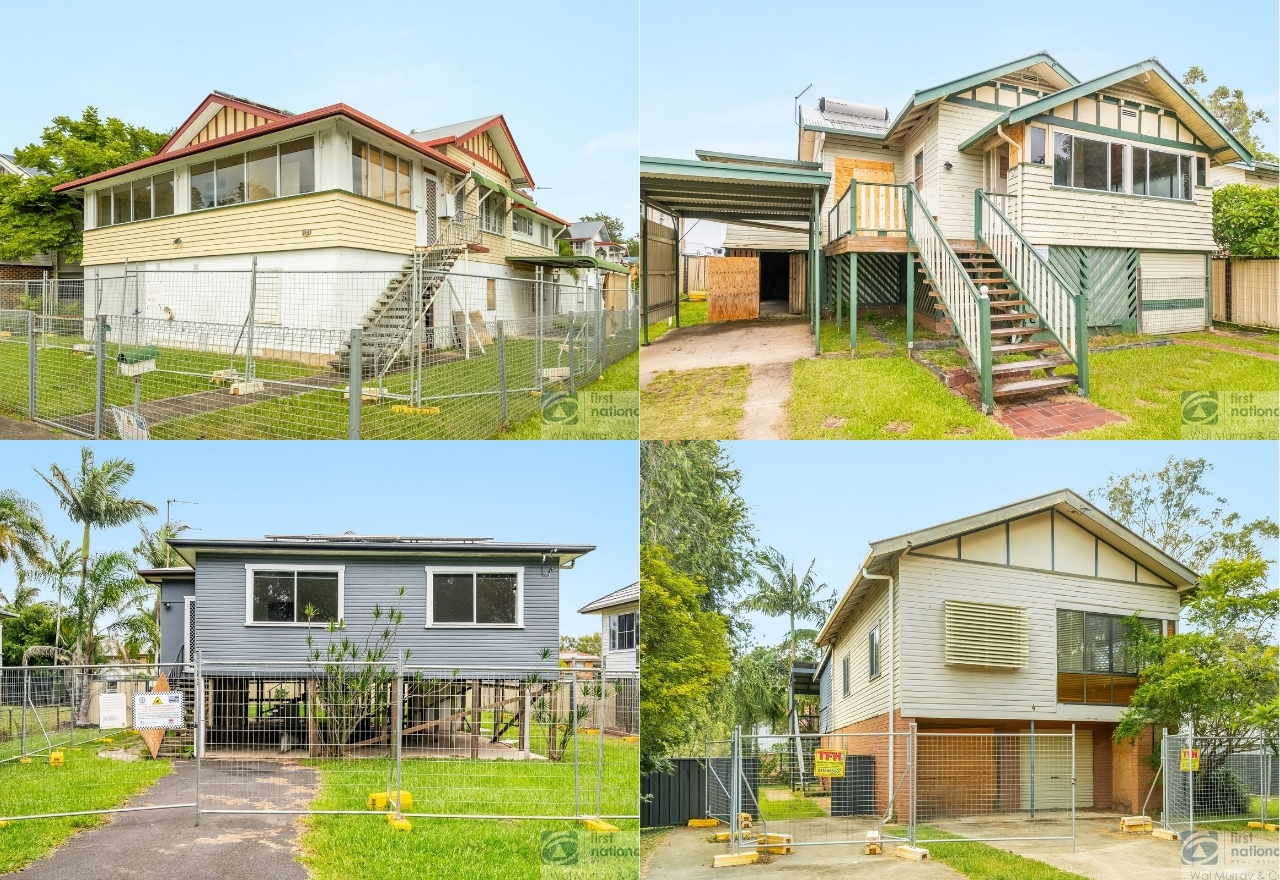
Following the Christmas/New Year holidays, the NSW Reconstruction Authority (NSWRA) Resilient Homes Program (RHP) is set to ramp up its buyback auctions in early March.Nearly 120 NSWRA buyback houses have been offered for sale since December 2024, with another ten to go under the hammer on March 3.The last auction for 2025 drew a crowd of over 100 people attending the Lismore Heights Bowling Club, with 45 registered bidders.On that early December evening, the cheapest house sold for $400 and the most expensive was $79,000.Once again, there will be no reserve limit, so theoretically, a house could sell for $1.The RHP funding ends in June 2027, so as the date approaches, conditions for buyers will change. When a buyback home is purchased, it has to be moved by the end of 2026.This puts pressure on anyone bidding to secure their land before the auction or soon after as a successful bidder. A number of properties have been purchased as second dwellings on a rural property, but it is those who have been waiting for blocks to be released through the Resilient Lands Program that may be affected.Crawford Road in East Lismore will start construction on Stage 1 of four stages, in the middle of 2026, with 10 blocks allocated to relocated buyback homes. North Lismore will be ready for people to relocate their houses in early 2027, and no one knows what is happening with the Mt Pleasant Estate in Goonellabah.THE NSWRA has some thinking to do if it is to manage the relocation process well.The first buyback auction is on Tuesday, March 3, at the Workers Sports Club in Goonellabah from 5:30pm, with a 6pm start.Wal Murray & Co First National Real Estate is the nominated real estate agent.There are two upcoming dates for inspections, they are on Tuesday, February 24 and Monday, March 3. The times are:If you would like more information on any of the houses, click here.

Lismore 2026: Mayor explains what is on the way in latest podcast

19 February 2026, 1:00 AM

Premium

The Talking Lismore podcast is back. This podcast features Mayor Steve Krieg for the first time in 2026. Mayor Krieg is excited for Council to return to the CBD before the next meeting on Tuesday, March 10. He describes the move as a milestone moment in the city’s recovery.“We’ll be there in March,” he said. “It’s just about ready to go, and to me, I can’t stop smiling about it.”Works on the century-old building have included upgraded security, new meeting screens in the council chambers and repairs to the flood-damaged car park, funded in part through disaster recovery support.“It is too good a building to be left as it is,” Mayor Krieg said. “It is the heart and soul of the foundation of Lismore
 to be able to return it to what it was built for and designed for is just an amazing thing.”The mayor said relocating staff back into the CBD would help revitalise the city centre and support local businesses.“We are Lismore City Council. We should be in Lismore. We should be where our central district is,” he said. “If you’re going to be a regional centre, you need to have a presence.”The CBD move was not the only reason to put a smile on the mayor's face. New events that will attract people to Lismore in 2026 created another grin. Those events include the Groove and the Moo music festival and Primex in May. Council is also pursuing A-League fixtures, rugby union pre-season matches and Olympic training camp opportunities.“National and international organisers are coming to us,” he said. “We’ve got the capability and the capacity to accommodate these things.”In a boost for local youth and sport, the mayor announced that the Lismore Skate Park will host a national Olympic selection qualifying event in April.“It’s a major national qualifier for getting on the national skating team,” Cr Krieg said. “It’s really nice to have facilities like we’ve got. Now we’ve got to leverage that.”The mayor acknowledged ongoing challenges, including housing shortages and the long-term management of flood buyback land, describing recovery from the 2022 disaster as a “10-year journey.”“To think of how much has been done in that four-year period is absolutely amazing,” he said. “We’re not even halfway there.”Tuesday night's community safety meeting at SCU has around 35 attendees and a host of speakers. Mayor Krieg said that council was working with police and support agencies to address homelessness and domestic violence concerns.“We need to treat each other with that level of kindness and respect that we all want ourselves,” he said.Despite the challenges still ahead of us, Mayor Krieg is excited about what 2026 will bring to our city.“We have all the potential in the world to make Lismore a real hub and a destination,” he said.To listen to the full Talking Lismore podcast, click on the link or head to the Lismore App website.

Lismore to host Olympic pathway event ‘Rumble on the River’

19 February 2026, 12:18 AM

Premium

Lismore has secured another major national event, with the city’s world-class skate park set to host one of only four Olympic pathway skateboarding qualifiers in Australia this April.From 16-19 April, Rumble on the River will bring around 150 competitors from across the country to Lismore for the first stop of a national series - a competition that feeds directly into Australia’s new national rankings table and ultimately the Olympic qualification pathway.Announcing the event at the skate park today, Lismore Mayor Steve Krieg described the moment as both exciting and symbolic.“What a great day for Lismore to be here at our brand new skate park to announce a national event,” he said.“It’s really, really exciting for Lismore to be one of those four destinations around the country to be an Olympic qualifying event. As Mayor, I can’t be more proud of our city.”The announcement comes just days after it was revealed Lismore would host major music festival, Groovin the Moo, reinforcing what many see as a turning point for Lismore.“We’re not thought about as a flood town now,” Mayor Krieg said. “We’re thought of as a destination, a place where events like national skating competitions can come and be really successful.”Behind him, young skaters carved up the bowl, some of them Olympic hopefuls who may now begin their pathway right here in Lismore.“There is nowhere you would want to be more than right here in Lismore to hone your skills,” the Mayor said.Pacific Action Sports General Manager Matt Wilson, who is driving the event nationally, didn’t hesitate when describing the facility.“How good is your skate park? It’s seriously one of the best, if not the best, skate park in Australia at the moment,” he said. “And that’s a fact.”Wilson said adding Lismore to the national tour was a privilege, not just because of the facility, but because of the community backing it.“As I’ve engaged with the community and different local suppliers we’re looking to use, there’s a real spirit of cooperation and generosity,” he said. “Everyone wants to see this succeed.”Entries for the event are already rolling in.“We’ve provisioned for about 150 competitors across a number of divisions,” Wilson said. “Open men and women, Street and Park, Under 16s, Under 12s, Under 9s — and even a Masters division.”“I’d say we’ll be pushing the maximum limits.”Importantly, the series offers equal prize money for men and women, with $75,000 across the national tour.Skate Australia CEO Alex Anasson described the Lismore stop as a “landmark opportunity” for the sport.“We’re stepping into a new era of skateboarding in Australia,” she said. “For the first time, we’re establishing a domestic competition series that links directly to a national rankings table.”Strong performances in Lismore could lead to automatic selection for World Skateboarding Tour events, opening the door to Olympic Qualifying Series events for Los Angeles 2028 and further down the track, Brisbane 2032.“We are batting above our average at the moment in Australia,” Anasson said, referencing the nation’s recent Olympic success.“Setting foundations like coming to Lismore and having a world-class park like we do behind us sets the path for long-term legacy in the sport.”The growth of female participation was also highlighted, with Anasson noting young athletes are inspired by Australian Olympic medallists.“It’s an accessible sport,” she said. “You can only get good at skateboarding by continuing to fail. It builds resilience in our young people.”For Lismore’s local skate community, the event feels like validation. Sam James from local business 36 Chambers said the park has already transformed the scene.“We’ve waited a lifetime for this,” he said. “The Lismore community has been so blessed by this park and what it’s brought to the place.”Business has also seen an uptick since the park opened.“There was all sorts of dinosaurs coming out of the woodwork,” Sam joked. “People needing a new board or fresh bearings. It’s been a welcome influx of skateboarding to Lismore.”Beyond April’s event, Mayor Krieg outlined a broader vision for the precinct, including a future pump track and the Lismore Boulevard walkway linking the CBD through the skate park to the health precinct.“It’s all part of a bigger design picture for Lismore,” he said.Next week marks four years on from the 2022 floods, and the atmosphere at the announcement carried a strong sense of optimism.“I think we’ve turned a corner,” the Mayor said.And with Olympic hopefuls preparing to compete on one of Australia’s best skate parks, and visitors set to flow into local cafes, shops and accommodation, Rumble on the River is shaping up as an exciting event.It’s another sign that Lismore is firmly back on the national stage, and building momentum.

All hands on deck: construction industry called to lead Lismore & NRs final rebuild push   

18 February 2026, 9:45 PM

Lismore and the Northern Rivers are entering their most critical home rebuilding phase, as the NSW Government issues a region-wide call for licensed builders and trades to help homeowners upgrade, raise, rebuild or relocate homes impacted by the 2022 floods. With a 2027 program deadline looming, the focus has shifted from administrative assessments to active construction sites.Builders, designers, engineers, architects, project managers and house relocation specialists are urgently needed to support communities to meet this deadline.  With a multi-year pipeline of work now confirmed, there has never been a better time for builders and contractors to get involved in the Northern Rivers recovery. To ensure the industry is briefed on these significant opportunities and the technical requirements for resilient construction, the NSW Reconstruction Authority is hosting a series of regional engagement sessions.Local trades are encouraged to attend an upcoming 'Builder Brekkie' or information workshop to connect with the program team and learn how to access this work. The full list is below or more detail can also be found at https://www.nsw.gov.au/departments-and-agencies/nsw-reconstruction-authority/our-work/events.Following the devastating 2022 floods, the Australian and NSW Governments established the Northern Rivers Resilient Homes Program (RHP) to reduce long-term flood risk across seven local government areas. The program supports voluntary home buybacks and resilience measures, including house raising, retrofitting, rebuilding and relocation.In addition, the NSW Reconstruction Authority is working with delivery partners to unlock land for hundreds of homes across the region in 2026, with thousands more in future years, driving demand for builders and skilled workers to construct housing options ranging from small one and two-bed homes and terraces to larger three and four-bed family homes. Coupled with private developments taking off across the Northern Rivers, there is a clear pipeline of work for many years to come.These efforts will sit alongside the NSW Reconstruction Authority’s work with councils and communities planning for the future use of vacant buyback land, with consultation to occur throughout 2026 for all areas with buyback land, particularly in Lismore, South Murwillumbah, Kyogle, and Richmond Valley.FAST FACTS: Northern Rivers Resilient Homes ProgramTotal Program Funding: $880 million co-funded by the NSW and Australian Governments.The Deadline: All building and renovation works must be completed by 31 March 2027.Pipeline of Work: Approximately 600 homes are slated for Resilient Measures (raising, retrofitting, or rebuilding) in this final phase.Grants available for homeowners:Home Raising / Rebuild / Relocation: Grants up to $100,000.Home Retrofit: Grants up to $50,000 for flood-resilient materials and modifications.Co-Contribution Bonus: The program will match homeowner contributions dollar-for-dollar, potentially doubling total project value (up to $200,000 for raising/rebuilds or $100,000 for retrofits).Design Support: Homeowners can access an additional $20,000 grant specifically for planning, design, and development application (DA) costs.Priority Areas: Recovery efforts are concentrated across the seven Local Government Areas of Lismore, Ballina, Byron, Clarence Valley, Kyogle, Richmond Valley, and Tweed.Minister for Recovery and Member for Lismore Janelle Saffin said, “We have reached a critical juncture in the Northern Rivers rebuild. Plans are being finalised, funding is in place and now we need boots on the ground to turn these designs into resilient homes.”“This is a massive call to arms for our local construction industry. We have a clear window between now and March 2027 to complete these vital works. “By stepping up now, our builders and trades aren't just completing a job—they are laying the foundations for a stronger, more connected Northern Rivers, bringing our neighbors home and building a legacy that will define our towns for decades to come."NSW Reconstruction Authority Northern Rivers Adaptation Executive Director Kristie Clarke said, “The scale of work now underway across the Northern Rivers is unprecedented, and we need skilled builders and construction specialists to help us deliver it.“This is about working alongside communities to rebuild homes that are safer, stronger and more resilient, while meeting ambitious timeframes and supporting the long-term recovery of the region.”Resilient Measures information sessions for homeowners and the construction industry:5 March – Tweed LGA – Murwillumbah Community Centre.11 March – Byron LGA – Mullumbimby Civic Hall.17 March – Clarence Valley LGA – Maclean Bowling Club.18 March – Richmond Valley LGA – Woodburn Community BuildingRHP Expos:29 April – Lismore Workers Club13 May – Murwillumbah Civic Centre Builder brekkies:23 April, 14 May and 4 June – Lismore – The Bank CafĂ©.26 February, 7 May – Murwillumbah – Keith Cafe.4 March – Mullumbimby – Lulu’s Cafe.12 March – Casino – Walker Street CafĂ©.18 June – Grafton – Vines at 139

Patchy mobile services an ongoing concern for farmers

18 February 2026, 6:10 PM

Fed-up farmers and families facing poor regional, rural and remote mobile services are being encouraged to keep complaining.The latest report from the Telecommunications Industry Ombudsman (TIO) revealed an increase in complaints in NSW, with almost a quarter coming from regional areas.Sarah Thompson from the NSW Farmers Rural Affairs Committee said the stats reflected what farmers were saying.“A lot of people are fairly fed up with complaining about this long-running issue, and it’s clear enough isn’t being done to fix the problem,” Mrs Thompson said.“I agree with Telecommunications Industry Ombudsman Cynthia Gebert when she says consumers don’t see phone and internet connectivity as optional anymore, these are vital not only for business and education but the basics of everyday life.“We’re encouraging people who aren’t satisfied with their service or the resolutions from their providers to go to the TIO to try and get a better outcome and make sure the issues are reported on.”For small businesses, complaints about internet services increased 16.1 per cent to 483 complaints, with increases noted for slow data speed, up 17.6 per cent to 234 complaints, and no phone or internet service, up 17 per cent to 476 complaints. In December 2025, NSW Farmers organised multiple regional and rural visits from the TIO, offering communities a chance to raise connectivity concerns and learn about services. Attendees reported concerns about their ability to call emergency services, with many people citing previous failures, and that rural and regional Australians felt forgotten and tired of complaining, particularly since unreliable mobile connectivity had become a persistent issue since the 3G shutdown.“The government’s Universal Outdoor Mobile Obligation is a critical step toward better voice and data services,” Mrs Thompson said.“Requiring that mobile coverage be reasonably available outdoors across the country will improve safety and improve liveability for everyone, not just those who live in the capital cities.“But there’s still a lot of work that needs to be done to make sure that providers are accountable to the UOMO and deliver what’s been promised.“NSW Farmers continues to advocate that UOMO must be a complementary tool and not replace investment in improvements to the existing terrestrial network – we know a lot of farmers struggle daily with reliable and quality connection.“So I think we need to keep being the proverbial squeaky wheel and keep complaining, but do it in a way that matters, and that’s to the TIO.”The TIO report can be found at https://www.tio.com.au/sites/default/files/2026-02/TIO_Q2_Complaints_data_insights_report_2026.pdf.

New guide to support councils in identifying land for affordable housing 

18 February 2026, 12:51 AM

The NSW Government has released a new guide to support councils in undertaking their own land audits to identify vacant operational council land that could be used to deliver affordable housing projects. The Council Led Affordable Housing on Operational Land Guide released by the Office of Local Government provides step-by-step guidance for councils on identifying and managing affordable housing sites utilising operational land – from planning through to construction and delivery. A major barrier to building more affordable housing is the high cost of acquiring well-located land. Council-owned sites such as former depots or unused facilities that are well serviced and close to public transport can be ideal locations for affordable housing to support low-income households. The guide provides details on delivery options available to councils to release and manage operational land for affordable housing and how councils can form partnerships with entities such as government agencies and housing providers to maximise the impact of affordable housing.It also includes case studies showcasing successful affordable housing projects led by councils to meet the needs of their communities. For example, Shoalhaven City Council transformed surplus council land in Bomaderry into 39 affordable housing units, while Lismore City Council is partnering with Landcom, Homes NSW and a community housing provider to construct 56 new affordable housing units.The NSW Government has set five-year housing completion targets for 43 local government areas in Sydney, the Illawarra-Shoalhaven, the Lower Hunter and Central Coast, and a single housing target for Regional NSW. In the draft Sydney Plan, out on exhibition at the moment, local affordable housing contribution schemes have been mandated for all councils in Sydney to increase the delivery of affordable homes within their communities. This guide also supports the objectives of the National Housing Accord by encouraging councils to increase housing supply and affordability at the local level.By harnessing under-utilised operational land in partnership with the NSW Government and community housing providers, councils can make a substantial impact in addressing the state’s housing crisis and deliver access to homes for people in need.The guide is available here: https://www.olg.nsw.gov.au/wp-content/uploads/2026/02/Guide-for-Council-Led-Affordable-Housing-on-Operational-Land.pdf.Minister for Planning and Public Spaces Paul Scully said, “All levels of government need to play their part to help address the housing shortage.“The Minns Labor Government’s land audit has identified several sites that are no longer being used that can deliver thousands of new homes, with the support of this new guide, we’re asking councils to do the same.“This builds on the work of our successful Infill Affordable Housing Scheme, the delivery of 400 build-to-rent homes for essential workers on land audit sites in Annandale and Chatswood and mandated minimum affordable housing inclusions for new developments in Transport Oriented Development areas.”Minister for Local Government Ron Hoenig said, “Former council depot sites and other surplus buildings often sit on valuable land that could be better utilised for much-needed housing. “This new guide provides councils as key partners in delivering housing, with the information and tools to address housing affordability in their area. “Affordable housing is critical for fostering community diversity, boosting local economies and promoting long-term sustainable housing, and councils can help free up unused land to create homes for our key workers and future generations.”Minister for Housing and Homelessness Rose Jackson said, “This is what solving the housing crisis looks like – it means looking at it from every angle, pulling down barriers at every turn.“We’re working constructively with many councils who want to build more affordable housing for their communities, but sometimes it can be hard to know where to start.“That’s where this guide comes in. We’re providing the tools to help councils get more projects off the ground, doing their bit to build a future for young Australians."

1-20 of 2539
The Lismore App
The Lismore App
Your local digital newspaper


Get it on the Apple StoreGet it on the Google Play Store