Why Failing Hot Water Systems Drive Up Energy Bills

22 January 2026, 11:39 PM
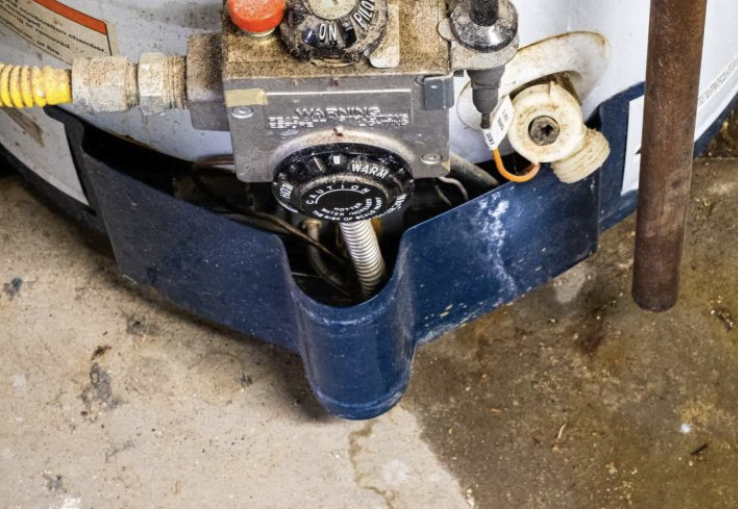
The hot water system is the invisible engine of the home. We rarely give it a second thought until the luxury of a warm shower suddenly stops.
However, waiting for a total mechanical breakdown is a strategy that hits your bank account long before the water turns cold. In reality, your wallet detects a failing system through rising utility costs before your skin feels a drop in temperature.
Recognising these signs of mechanical strain helps you stop overpaying for inefficient heating and regain control over your monthly living expenses.
Scale and Sediment Buildup
In a gas system, this " sludge" sits between the burner and the water. In an electric system, it can encase the heating element itself. Instead of directly warming the water, the system must first push heat through centimetres of solid mineral buildup.
To reach your desired temperature, the unit stays active for a longer period than a clean system would. This results in:
- Paying for the energy used to heat the sediment
- Internal components wear out
- Higher charges on your energy bill
Thermostat Malfunctions and Overheating
The thermostat, the "brain" of the unit, is the first component to lose its precision.
Maintaining water at an excessively high temperature requires a massive amount of energy. Delicate balance of your system's temperature is vital according to SJ Hot Water Brisbane, even a slight calibration error in a failing unit can cause energy consumption to spike by up to 20%.
When the thermostat fails to "click off," your energy meter continues to run at peak capacity. You are paying for the constant, unnecessary reheating of a tank that never realises it has already finished its job.
Leak That Adds Up Over Time
It is a common misconception that a dripping valve is just a waste of water.
In reality, it is a waste of heated water. If it's leaking consistently, your system has to constantly pull cold water to replace what was lost, forcing the heating element to kick back more often than necessary.
It can be tricky for homeowners to tell if their valve is doing its job.
- Normal Expansion: A small drip during the heating cycle is normal. You might see a cup or two of water, and it should stop once the heating finishes.
- Failing Valve: If water is dripping all day even when the system isn’t heating, the valve has likely failed and needs to be replaced.
Ignoring a heavy drip is like leaving a hot tap running 24/7, and the real cost shows up on your energy bill.
Ageing Systems Lose Efficiency
In many Brisbane homes, these aging units act as a silent drain on finances simply because they were built using the standards of a previous decade.
Today’s modern alternatives utilise high-precision components and superior heat-exchange technology to get the job done with far less fuel. Older tanks use less effective insulation materials that allow heat to radiate outward through the tank’s skin. Upgrading from an old electric tank to a modern heat pump is a strategic decision that can slash your water-heating energy consumption.
Thermal Loss in the Delivery Lines
Even if your tank is perfect, your energy can still escape through the pipes that deliver water to your taps. In many Brisbane homes, these copper lines are left bare, acting like a radiator that drains heat.
- You end up flushing this "dead leg" down the drain while waiting for heat, wasting both water and the energy used to warm it.
- On cool nights, bare copper sheds heat into the backyard air, forcing your unit to work harder to compensate.
- Adding thermal lagging (insulation sleeves) keeps the heat in the water. Without it, you are essentially paying to heat the outdoors.
Why Regular Servicing Saves You Money
A proactive maintenance schedule turns unpredictable repair costs into a manageable, budget-friendly investment. Here’s why servicing pays for itself:
- A technician can recalibrate your thermostat and test heating.
- Manually "flushing" the Pressure Relief Valve (PRV) clears out mineral grit.
- Replacing the anode rod prevents the tank from rusting.
- Scheduled inspection prevents the need for "after-hours" emergency calls.
Signs Your Bill Is About to Spike
Use these four tests to spot inefficiencies before they drain your bank account:
- Check the base for rust, damp patches, or puddles.
- Listen for rumbling sounds while the unit is heating.
- Water turns lukewarm partway through a shower.
- The Pressure Relief Valve should snap shut and stop flowing immediately.
Efficiency Comes From Doing It Right
While the DIY spirit is great for aesthetics, plumbing and hot water systems are high-stakes environments where minor errors lead to major costs. The small cost of a professional service is a fraction of the price of a total system replacement or structural water damage repairs. Prioritising the longevity of your hot water system means choosing quality over shortcuts. By relying on licensed experts, your home remains safe, efficient, and budget-friendly.