Warehouse Racking 101: Everything You Need to Know About Storage Systems

19 November 2025, 11:34 PM
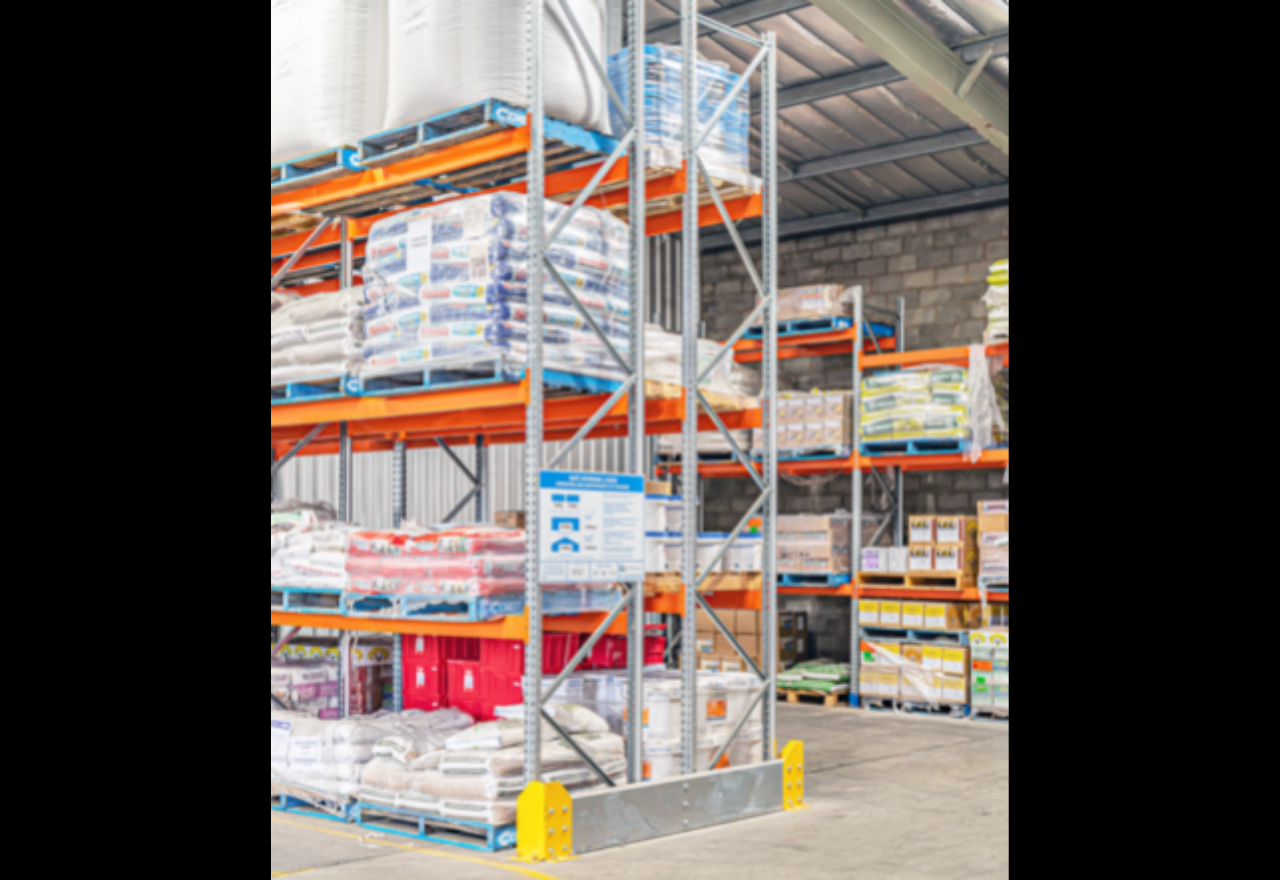
Ever walked into a massive warehouse and wondered how they keep everything so organised? Those towering metal structures aren't just randomly thrown together. There's actually a whole science behind warehouse racking systems, and it's pretty fascinating once you start digging into it.
What Exactly Are Warehouse Racking Systems?
Picture this: you've got thousands of products that need storing, and you can't just pile them on the floor like a giant game of Tetris. That's where racking systems come in. They're basically the backbone of any decent warehouse operation.
These systems are modular storage solutions made up of frames, beams, and various accessories that create organised storage areas. Think of them as the skeleton that holds everything together. Without proper racking, warehouses would be chaotic mess zones where finding anything would take forever.
The Main Types You'll Come Across
The thing is, not all racking systems are created equal. Different warehouses have different needs, and thankfully, there are several types to choose from.
**Selective Racking** is probably the most common type you'll see. It's straightforward and gives you access to every single pallet without having to move others around first. Pretty handy when you need something specific in a hurry.
**Drive-in and Drive-through Racking** systems are where things get interesting. These allow forklifts to actually drive into the racking structure itself. Drive-in means one entry point, while drive-through has entry and exit points. Makes sense, right?
**Push Back Racking** works on a simple principle: gravity. You load pallets from the front, and they automatically roll to the back. When you remove the front pallet, the next one slides forward. It's like a giant vending machine for industrial goods.
Why Getting It Right Matters More Than You Think
Here's where things get serious. Choosing the wrong racking system isn't just inconvenient; it can be downright expensive. Poor storage solutions lead to wasted time, damaged goods, and frustrated workers.
The truth is, your racking system affects pretty much everything in your warehouse. How quickly can staff find items? How safely can they move around? How much can you actually store in your available floor area? These questions all come back to your racking choices.
Safety is another huge consideration. Improperly installed or overloaded racking systems can collapse, and trust me, that's not something you want to deal with. Regular inspections and proper weight distribution aren't optional extras; they're absolute necessities.
Making the Right Choice for Your Needs
This part's a bit tricky because every warehouse situation is different. What works brilliantly for one operation might be completely wrong for another.
First, consider your inventory. Do you have lots of different products that need individual access? Selective racking might be your best bet. Got large quantities of the same items? Maybe look into high-density storage options.
Think about your space limitations too. High ceilings mean you can go vertical with your storage, while lower buildings might need more horizontal solutions. Your forklift equipment also plays a role in determining what systems will work best.
The flow of goods through your warehouse matters as well. How often do you need to access different items? Some systems are great for long-term storage but terrible for frequently accessed goods.
Getting Professional Help
Look, warehouse racking isn't something you want to guess at. Professional warehouse racking solutions can save you from costly mistakes and help optimise your storage efficiency from day one.
The right experts will assess your specific needs, consider your budget, and design a system that actually works for your operation. They'll also handle installation and ongoing maintenance, which honestly takes a huge weight off your shoulders.
Getting your racking system right from the start pays dividends for years to come. Better organisation, improved safety, and increased efficiency all add up to a healthier bottom line.