Victory for farmers on virtual fencing

11 December 2025, 6:02 PM
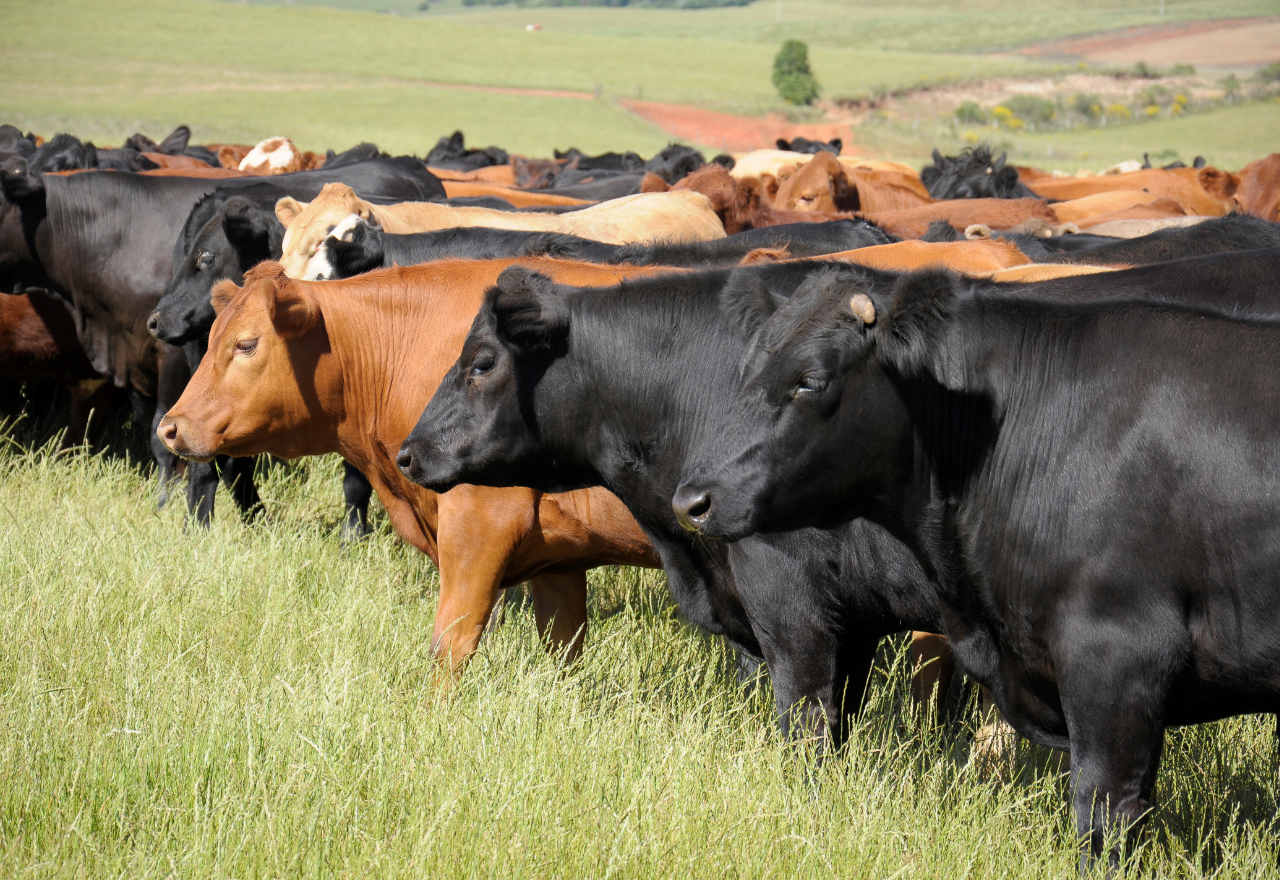
Farmers have celebrated the news that virtual fencing has been legalised for cattle in NSW.
On Thursday, a new regulation was introduced by the NSW Government to allow for the use of technology in an exciting step forward for beef and dairy farmers across the state.
The legalisation of virtual fencing, following discussions with farmers, NSW Member of Parliament for Orange, Phil Donato, and considering the recommendations of the Legislative Assembly Committee Inquiry into the Prevention of Cruelty to Animals Amendment (Virtual Stock Fencing) Bill 2024.
Farming groups, animal welfare enforcement agencies, and suppliers have been consulted to draft a best practice regulation that fosters modern farming and ensures the welfare of the livestock.
Virtual fencing is an AgTech solution to managing cattle without the need for physical fencing within a farm’s boundaries. Instead, collars or neck bands that use GPS technology deliver sensory cues to influence the movement of livestock.
The technology can also monitor the activity, health and welfare of cattle, and can reduce the stress of the animals that can arise from herding with quad bikes and dogs.
The enabling of this technology for NSW has the potential to markedly improve the efficiency of rotational grazing systems and reduce the need for the costly establishment and maintenance of internal fences.
The regulation adopts the NSW Guide to Animal Welfare for Virtual Fencing of Cattle that provides appropriate safeguards for animal welfare in the design and operation of virtual fencing, including:
- The user must be trained in how to use the device by the supplier or manufacturer.
- The user must ensure devices are regularly monitored, and animal welfare standards are met.
- Devices will allow users to control the boundaries that trigger cues to the animal, but users cannot deliver cues directly to an animal.
- Devices must use vibrational or audio cues first, before using electric cues.
- The technology can only be used for cattle.
The technology has built-in features which can temporarily disable the device based on animal behaviour, location, system connectivity or as a safeguard. It also alerts the user to any animal welfare issues and determines if user intervention is required.
“This technology has been a game changer not just in other parts of Australia, but around the globe, and it’s high time we got on board,” NSW Farmers’ Animal Welfare Committee Chair Rob McIntosh said.
“This technology gives us flexibility we’ve never had before – we can graze and move stock without building kilometres of fences and laneways, and we can also easily move these virtual fences to help manage our livestock and our land.
“From reducing ongoing fencing and maintenance costs to protecting biodiversity, limiting stock handling, and increasing monitoring and grazing accuracy, the benefits of this technology are endless – and we can’t wait to start using it.”
Mr McIntosh said it was positive to see the NSW Government had created practical, state-specific settings to guide the use of the technology in NSW, following strong advocacy from the state’s peak farm body.
“The rules had to reflect the needs of producers, and it’s great to see our government listen to us on this,” Mr McIntosh said.
“This new technology provides a whole new tool to innovate and improve productivity on farm – and we’re so excited to use it to help feed the future.”
eastAUSmilk CEO Eric Danzi said, “eastAUSmilk welcomes the decision to legalise virtual fencing in NSW. In states where the technology is already available, dairy farmers have achieved significant productivity gains and efficiencies. NSW dairy farmers have had a tough year with disasters, and this technology promises to help ease the load.
“We have many dairy farmers who are eager to put in virtual fencing as soon as it is legal to do so. We thank Minister Moriarty for being so proactive to allow this technology to be available for dairy farmers in NSW.”