The Drainage Issue Buyers Overlook During Building Inspections

13 January 2026, 4:22 AM
You hear it all the time during open homes. “Such beautiful high ceilings!” or “What a stunning island kitchen!” While everyone else is falling in love with the interior, your attention should be drawn to what makes a home truly functional.
Most buyers don't give a second thought to a gurgling sound coming from the bathroom, but that’s exactly where the expensive problems start.
Focusing on these details is what prevents you from inheriting a property with deep-seated issues, especially since a designer kitchen won't mean much if your pipes are blocked by tree roots.
In this post, we’re breaking down the drainage glitches that are easy to miss during a standard walkthrough.
1. The "Reverse Grade" Driveway
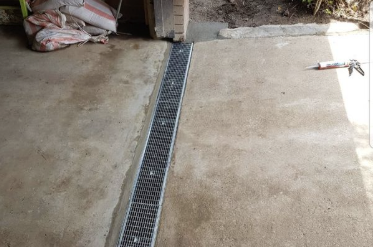
A "reverse grade" means the driveway acts like a giant funnel, sloping downward from the street directly toward your garage door rather than away from it. There should be a high-capacity trench drain installed right at the threshold to catch the water and whisk it away.
Plumbers at Drain Masters Plumbing say it’s easy and completely understandable for buyers to overlook this, because on a sunny day, a sloping driveway simply looks like a normal part of the home’s design.
You might be focused on how many cars can fit or the quality of the concrete finish, never realising that the entire layout is a massive plumbing liability.
2. Buried "Weep Holes"
You’ll find weep holes at the very bottom of your exterior brick walls. They are the small, vertical gaps left between individual bricks. In a perfect world, these should be clearly visible and sit at least 75mm to 150mm above the ground level.
However, a "buried" weep hole occurs when garden beds, heavy mulch, or new paving have been built up so high that they cover these gaps entirely. Before you fall in love with that garden bed, run through these quick checks:
- Can you see clear vertical gaps in the bottom layer of bricks?
- Is the dirt or mulch at least two brick-widths below the weep holes?
- Are there any dark stains on the bricks around the bottom of the wall?
- Do you see any earthy tracks or tunnels leading into the holes? (A major termite warning!)
Buried weep holes provide a hidden, moisture-rich highway for termites to crawl straight from the soil into your wall frames without being seen.
3. "Downpipes to Nowhere"
You can identify this issue by following the vertical pipes from the gutters all the way down to where they meet the ground. These pipes should disappear into a sealed underground drainage line that carries water safely away to the street or a soakage pit.
It is easy to overlook because, to the untrained eye, a downpipe is a downpipe. Most buyers see a pipe coming off the roof and assume the water is being handled correctly. It’s a "background" detail that feels functional just by existing. Unless it’s raining during the inspection, you won't see the mini-waterfall being dumped right against the house.
4. Concealed "Surface Pits"
It is incredibly easy for buyers to overlook a concealed pit because, when they are covered, they are virtually invisible. You might be standing on a beautiful tiled patio, admiring the outdoor kitchen, never realising there is a drainage point right under your feet that hasn't been cleared in years. The hidden costs of ignoring these pits can add up quickly:
- Plumber’s emergency call-out to locate and clear a buried pit can cost from $300 to $600 just for the labour
- If the pit is full of dirt and tree roots because it wasn't maintained, you’ll need a jet rodder to clear the lines, costing $400+
The risk of inheriting a home with hidden or blocked surface pits is a sudden, expensive "drainage fail" during the first big storm. If these pits are blocked, water has nowhere to go.
5. Sagging or Overflowing Gutters
The risk of moving in without addressing sagging gutters is that you are living under a leaky bucket. When water overflows from a sagged gutter, it falls right next to your foundation, the very thing we’ve been trying to keep dry, or worse, it overflows inward into your ceiling.
It is easy to overlook because most buyers keep their eyes at eye level. You are looking at the new fence or the garden, rarely craning your neck to look at the roofline unless there’s a massive hole.
Look Past the Pretty Stuff – Walk In With Eyes Wide Open
You have the power to be more than just a passive observer during your next building inspection. Look past the "shiny" features like the kitchen splashback and the master suite, and instead, focus on the "bones" of the property.
Put on your detective hat and check the weep holes, follow the downpipes, and look for those signs of moisture that others simply ignore. It takes courage to ask the tough questions about drainage, but doing so could save you from an absolute financial disaster down the road.