The Do’s and Dont's of Laser Tattoo Removal

27 December 2025, 10:49 PM
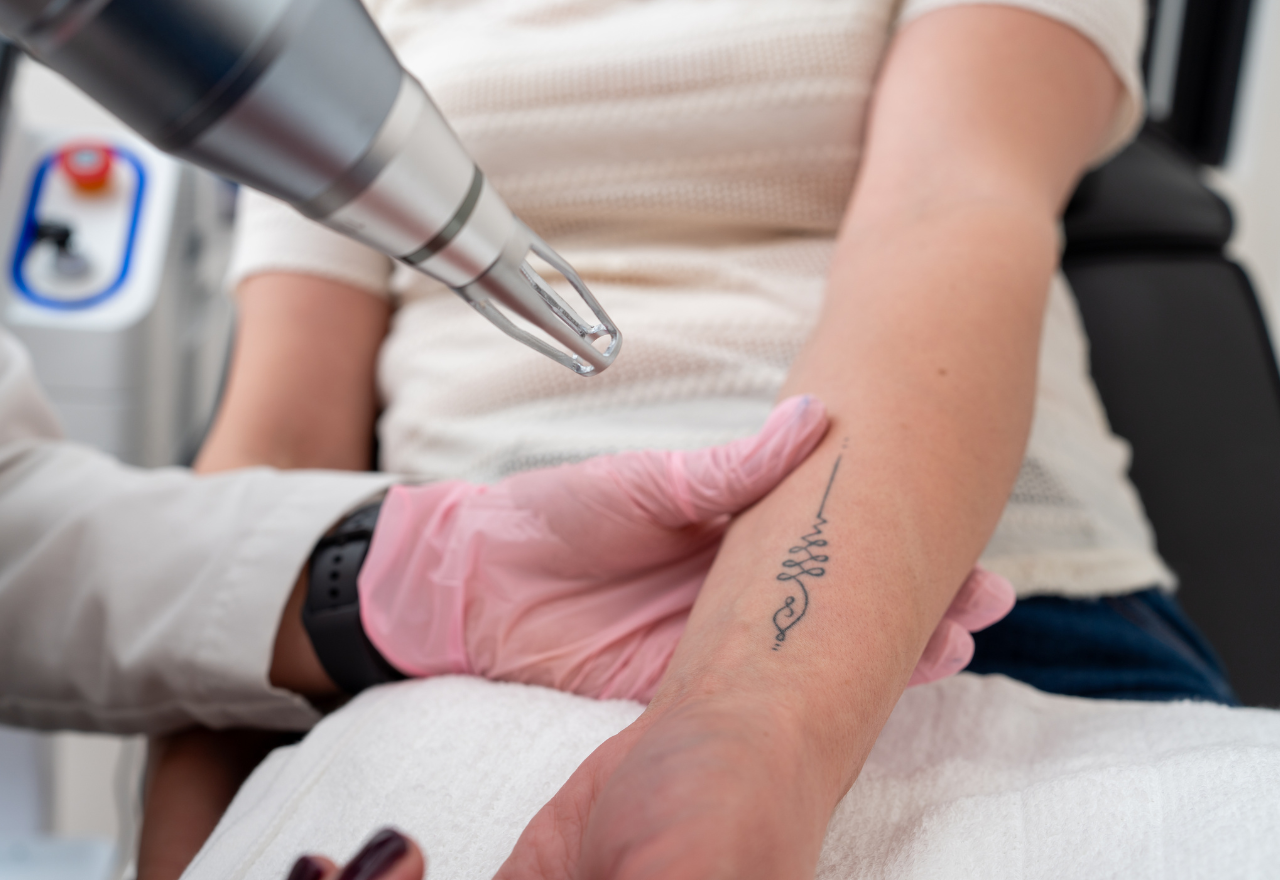
Why does tattoo removal take so long?
Why can’t you just book sessions back to back and get it over with? And why does your technician keep talking about things like hydration, sun exposure, and what you put on your skin?
These questions pop up all the time, especially when you’re hoping for quick results. The truth is your body is doing most of the work, not the laser.
Read below the do’s and don’ts that make a real difference in how well your tattoo fades.
Healthy Do’s That Help Your Body Clear Ink More Efficiently
Do consider a “laser prep week” before each session
Most people want their laser session to go smoothly, and the easiest way to make that happen is to start preparing a week ahead. When your skin is well-hydrated and looked after, it handles the treatment better and helps the ink break up more evenly.
- Increase your water intake
- Skip self-tanner and spray tans completely
- Moisturise daily with a bland, fragrance-free lotion
- Avoid active skincare (AHAs, retinoids) on the area
- Avoid shaving the area 24–48 hours before your session
Having a plan takes away the guesswork and the stress of “Did I do this right?” You show up feeling organised instead of overwhelmed. And that confidence can make the whole experience feel a lot easier.
Do ask your provider about “R20” vs. traditional spacing
If you’ve heard about accelerated tattoo removal, you might be thinking of the R20 method.
Not all clinics offer it, but the R20 method (multiple laser passes spaced 20 minutes apart in one appointment) sometimes accelerates fading for certain ink colours.
Each pass helps break the ink down a little more, and the short waiting period between rounds allows the skin to settle so the next pass can reach deeper pigment. A typical R20 session might look like this:
- First laser pass
- Rest period to let the skin settle
- Second laser pass
- Another short cooldown
- Third laser pass
- Final cooldown
- Fourth laser pass
- Aftercare is applied
Do Prioritise Internal Health - Your Lymphatic System
Your lymphatic system is like your body’s hidden “cleanup crew.” It moves a fluid called lymph through a network of vessels and nodes, helping collect extra fluid, filter out waste and toxins, and support immune function.
If your lymphatic system gets a bit sluggish from not drinking enough water, not moving much, or dealing with inflammation, it struggles to clear things out. Prioritise your internal health with the following:
- Gentle movement or light exercise (e.g. walking, gentle stretch)
- Lymph fluid is mostly water. Adequate hydration keeps it flowing smoothly
- Balanced, anti-inflammatory diet & spaced mealshing)
- Deep breathing or diaphragmatic breathing exercises
Do Ask Your Technician Questions Before Your Laser Tattoo Removal Session
One of the best things you can do before starting tattoo removal is to ask questions. The more you understand about the process, the safer you’ll feel and the better your results can be. Good technicians want you to ask because it shows you’re invested, prepared, and aware of how your body and skin might respond.
- How many sessions do you estimate I’ll need?
- What type of laser tattoo removal technology do you use, and why?
- Will this laser work on my tattoo colours?
- What should I expect immediately after the treatment?
- What aftercare products do you recommend?
Don’t Do Things That Make Tattoo Removal Harder for Your Body
Don’t moisturise on the day of your appointment
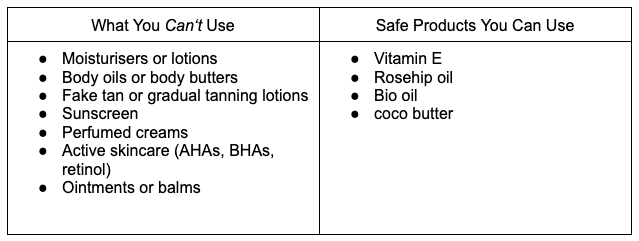
Moisturiser might be great for your skin most days, but not on laser day. Anything you apply can trap heat, interfere with the laser’s ability to reach the ink, and even affect how your skin reacts during treatment.
A completely clean, product-free surface gives you the best results and helps your technician work safely and effectively.
Don’t use ice directly on the skin
To add to this (and it might sound obvious), don’t place ice or even a ziplock bag of ice directly on your skin. Direct contact can cause frostbite and further irritate freshly lasered skin. Always put a thin towel or even a pillowcase between the ice pack and your skin. You can also use ice packs that come with a built-in cover for safer cooling.
Don’t take ibuprofen before your session
Ibuprofen can thin the blood, increase bruising, and interfere with your body’s healing response. A safer option is paracetamol if you need pain relief but always check with your clinic first. This small detail is rarely talked about, yet it can greatly affect how comfortably and cleanly your skin recovers.
Don’t expect instant results
Laser tattoo removal is a biological process. The laser breaks the ink into tiny particles, but your lymphatic system is what actually clears them away. Here’s a rough idea of what the journey may look like:
- Session 1: Initial frosting + mild redness; no major fading yet
- Sessions 2–3: Early softening of edges, lighter patches appearing
- Sessions 4–6: Noticeable fading as deeper ink particles rise and break down
- Sessions 7–10+: Refining the lighter areas; stubborn spots gradually lifting
Fading is gradual, and every session is a step forward. Expect progress, not perfection, and celebrate the slow, steady wins along the way.
Better Results Start With Better Conversations
If there’s one step that makes your tattoo removal journey easier, it’s talking openly with your technician.
Asking questions helps you understand what your skin needs and what your body is doing behind the scenes. Your technician sees hundreds of cases, so they can guide you toward better habits and safer choices. When you ask, you get information tailored to your tattoo, not general advice from the internet.