Regional Cities NSW welcomes new Heartland plan for regional arts and culture

17 February 2026, 6:03 PM
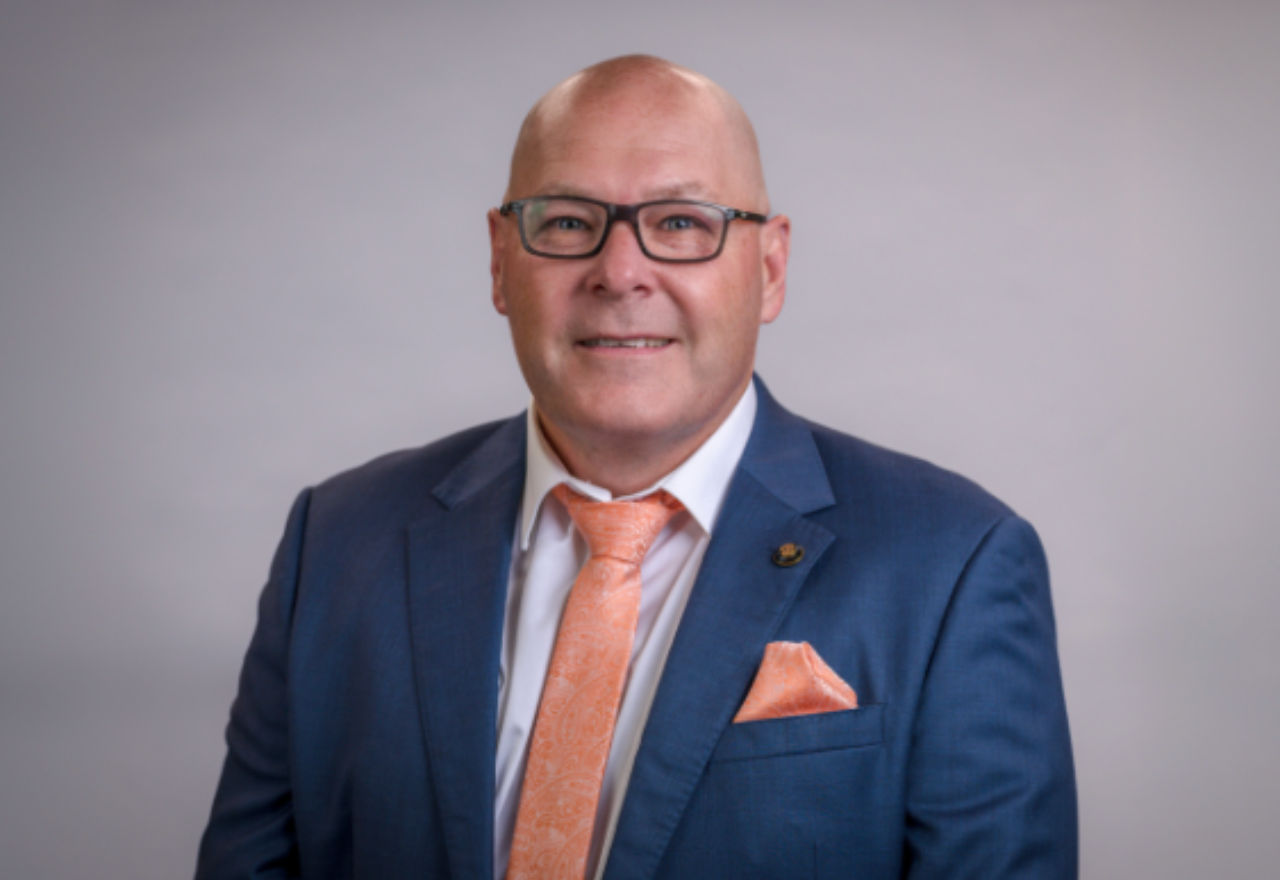 Lismore Mayor Steve Krieg is the Regional Cities NSW Chair
 Regional Cities New South Wales (RCNSW) has today welcomed the NSW Government’s launch of Heartland: A Plan for Regional NSW Arts, Culture and Creative Industries in Tamworth.
RCNSW Chair Cr Steve Krieg congratulated the Minister for the Arts, the Hon. John Graham MLC, on delivering a strategy that recognises the unique cultural strengths and needs of regional NSW.
“Our regional member cities were pleased to contribute to the development of the plan and are encouraged to see the importance of regional storytelling close to home reflected,” Cr Krieg said.
“Regional NSW is a special place, and each of our member cities have a unique story to tell about their people, place and culture; these stories deserve to be recognised, planned for and amplified as today’s announcement sets out to do,” Cr Krieg said.
During today’s launch, Minister Graham announced $5 million of new funding across partnerships, touring programs and First Nations support. Funding will also be made available for cultural tourism and regional community bands.
The plan covers six strategic priorities:
- Champion regional First Nations arts and culture
- Strengthen regional partnerships and networks
- Unlock regional creative spaces
- Open doors to regional creative careers
- Showcase regional creative innovation and storytelling
- Amplify statewide arts and cultural tourism
Cr Krieg said that while the plan referenced the need to work with local government to maintain active spaces for arts and cultural activities as one of the key priorities of the plan, associated funding was not directly announced for this issue.
“Regional cities in NSW are some of the fastest‑growing communities in the State, and these cities carry responsibilities far beyond their local boundaries when providing fit-for-purpose spaces for arts and cultural activities,” Cr Krieg said.
“The burden on local governments to deliver high-quality services and infrastructure is growing every day, and arts and cultural facilities are part of this pressure.
“Regional Cities NSW will continue to engage with the Minns Government as implementation of the Hartland Plan begins, to advocate for a sustainable arts and culture infrastructure funding model that recognises local government’s central role in delivering for their communities,” Cr Krieg concluded