RBA confirms interest rate rise as housing market likely to become more cautious

Dylan Butcher
03 February 2026, 4:40 AM
The Reserve Bank has lifted the cash rate by 25 basis points to 3.85 per cent, pointing to renewed inflation pressures, household spending and continued momentum in the housing market as reasons for the decision.
In its statement, the Monetary Policy Board said inflation, while well down from its 2022 peak, picked up materially in the second half of last year. Demand across the economy has been stronger than expected, and activity in housing is still building - all factors the Board said were likely to keep inflation above target for some time.
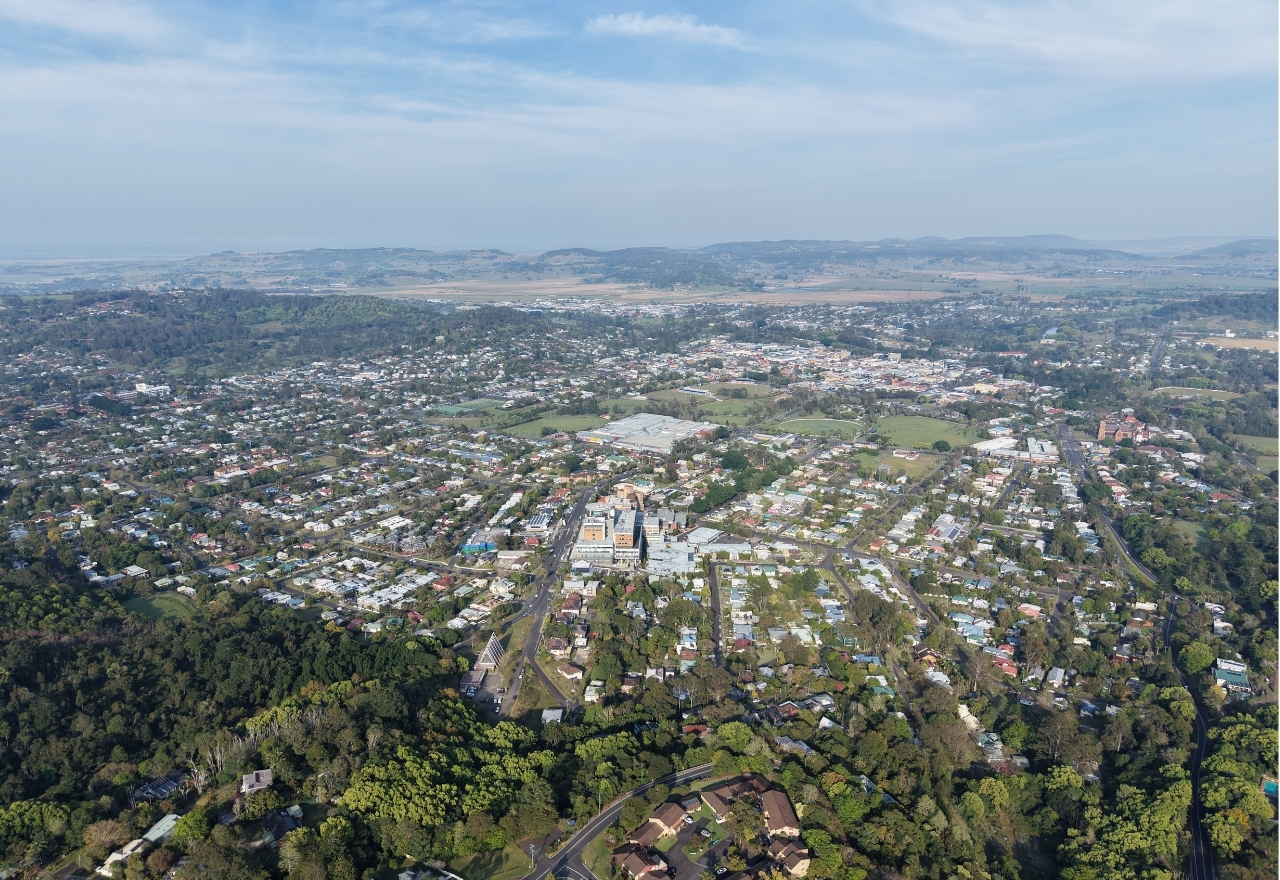
While the decision was made on national conditions, its impact will be felt locally, with Lismore buyers and sellers adjusting expectations rather than stepping away from the market entirely.
Harrison Manning from Northern Rivers Lending said the immediate effect of the rate rise is a reduction in borrowing power.
“Rate rises will lower punters borrowing capacity meaning they have less to offer on properties,” he said. “If your previous borrowing power was around $500,000, you’re likely now looking at something between $475,000 and $490,000… in isolation the impact will likely be reasonably minimal but if we get a few back-to-back we could start to see some shifts.”
That shift comes after a solid year for Lismore’s property market. Suburb-level data from last year shows house values across much of the city rose between six and ten per cent, with steady buyer enquiry even as decision-making slowed.
Goonellabah recorded some of the strongest growth, while East Lismore, Lismore Heights and central Lismore all posted consistent gains without the sharp spikes seen in some interstate markets.
National analysis from Mortgage Choice suggests that kind of steady growth puts regional markets in a better position to absorb rate rises. Their figures show that more affordable suburbs and regional centres outperformed many higher-priced areas last year.
R Gordon & Son principal Andrew Gordon said locally, even the conversation around rate rises can be enough to slow momentum.
“We saw 13 places sell in the two weeks before Christmas, it was happy days,” he said. “But once people start talking about rate rises, everything slows down. Borrowing capacity starts getting knocked around and people realise the dream they had might not quite fit anymore.”
Mr Gordon said banks already assess borrowers against higher potential rates, meaning each increase pushes buyers down into lower price brackets.
“Every time rates rise, it changes the whole dynamic,” he said. “People think they can borrow one amount, then suddenly that bracket just isn’t available anymore.”
Mr Manning said first-home buyers are likely to feel the latest rise most acutely, particularly those who entered the market during the long stretch of rate stability.
“For a lot of first-home buyers, this may be their first experience with fluctuating rates,” he said. “On a $500,000 loan, a 0.25 per cent rise will typically add about $18 per week, so in isolation and right now with only one rise people should absorb fairly comfortably, however multiple rises could see that impact increase.”
He said the decision should also act as a prompt for existing homeowners to review their loans.
“If you haven't heard from your banker or broker within the last 6 months, its time to actively seek some advice,” he said. “Rates, products and banks are always changing.”
The Reserve Bank said it will continue to watch the data closely and is prepared to act again if inflation remains elevated. For Lismore, the early signs point to a market that is adjusting rather than retreating.
Only $4 per month.....
Stand by us and support local journalism and local jobs by unlocking this article and becoming a Premium Content subscriber of the Lismore App for only $4 a month. You will gain unlimited access to all of our membership content.