New mental health support teams hit the ground in Lismore

19 February 2026, 9:17 PM
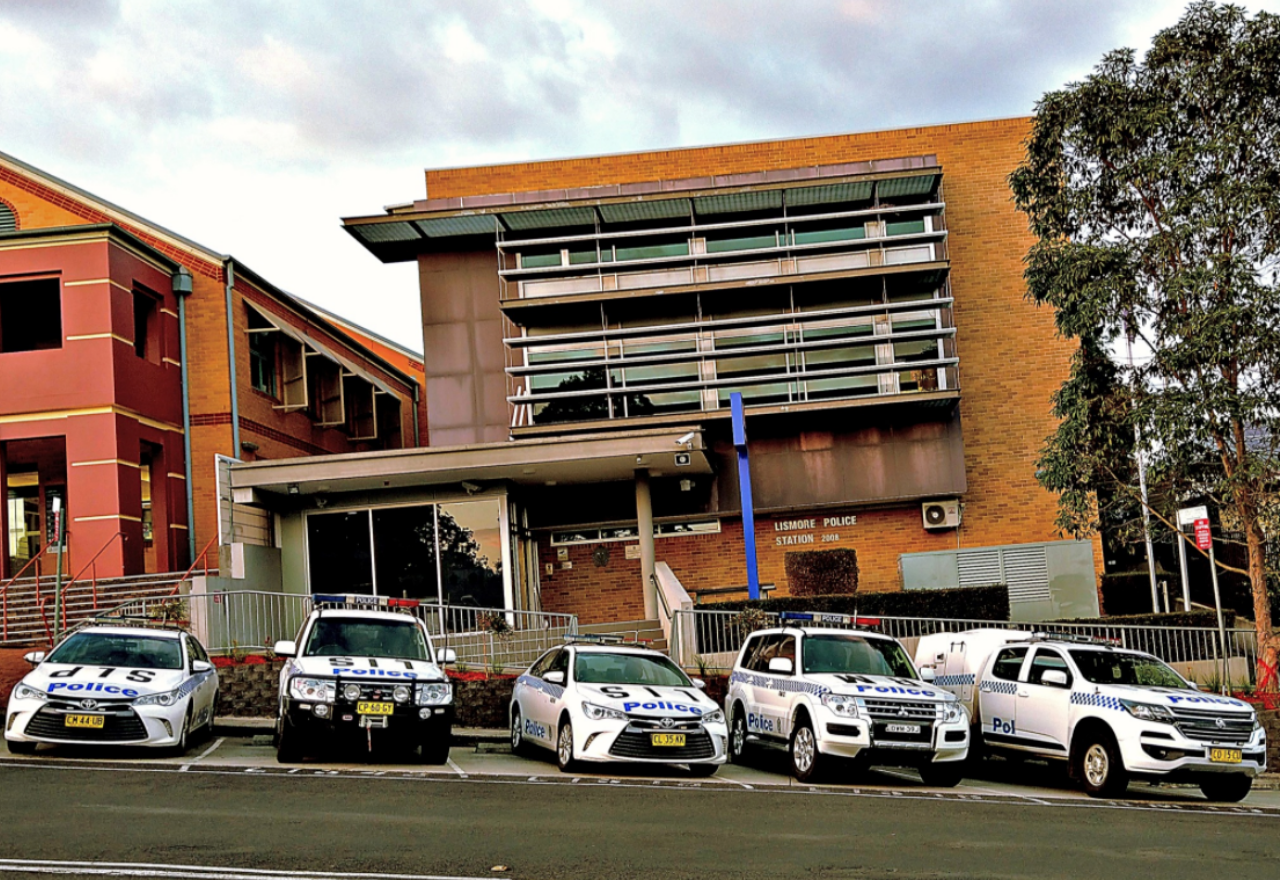 The new PACER clinician will work with police at the Lismore police station
Residents of Lismore and surrounding communities now have access to increased mental health support, following the appointment of a specialist mental health clinician and the launch of a new crisis support service.
There has been a great deal of talk around the appointment of a PACER (Police Ambulance and Clinical Early Response) clinician, who can support police and NSW Ambulance when they come across people experiencing acute mental health episodes. It is thought that this clinician will have an effect on safety in the Lismore CBD.
The new clinician will work directly with first responders, supporting them to appropriately recognise, assess and manage mental health emergencies on the scene.
The PACER program leads to safer outcomes for the community, with a proven track record of early de-escalation of emergency situations and a reduction in avoidable ED presentations.
Richmond Police District Superintendent Dave Roptell said, “Our officers often arrive at incidents to find someone suffering acute mental distress, and having a dedicated mental health clinician working alongside us is an invaluable addition to the way we serve the community.
“The PACER model means we can better identify what someone needs in the moment and ensure people in crisis are connected with the right care as early as possible.”
“This partnership strengthens our ability to keep both the individual and the wider community safe. It’s a practical and compassionate approach to policing, and we are already seeing the positive impact it can have.”
Additionally, a new mobile Suicide Prevention Outreach Team (SPOT) has begun operating at the Lismore Community Mental Health Service.
The team is made up of specially-trained clinicians and peer workers who provide on-the-ground support for people experiencing a crisis, suicidal distress, or at risk of self-harm.
Following an initial assessment by Lismore Base Hospital’s Emergency Department or the Mental Health Line, people at risk of suicide will be referred to the SPOT team.
They work out in the community, caring for those who need it at home or wherever they are most comfortable. This service reduces the barriers that prevent people from accessing support and eases demand on hospital emergency departments.
Anyone experiencing mental health concerns is urged to call the Mental Health Line on 1800 011 511.
The Mental Health Line is NSW Health’s 24/7 statewide phone service, which links people with trained mental health professionals, who are able to offer advice, complete a brief assessment and make recommendations for appropriate care. It is a free service.
Minister for Mental Health Rose Jackson said, “The NSW Government is committed to ensuring we improve access to safe, high-quality mental health care to everyone who needs it, including those in our regional and rural communities.
“Both the Suicide Prevention Outreach Team and PACER services can be life-changing for those who need it, ensuring the community gets more appropriate care at the time when they need it most.
“Experience elsewhere in NSW has shown the presence of a PACER clinician at a police station increases the knowledge and understanding of mental health issues among officers, providing real-time social and clinical information during an emergency.”
Minister for Police and Counter-terrorism Yasmin Catley said, “Police carry an enormous responsibility and are often the first on the scene when someone is experiencing a mental health crisis.
“This rollout makes sure that our officers are backed by specialist health professionals, so people receive the right care. It’s about giving police the support they need and delivering better outcomes for the community.
“Mental health is a critical issue in every community. By partnering police with clinical experts, we’re building a more compassionate and effective response when people really need it.”
Minister for the North Coast and Member for Lismore Janelle Saffin said, “Mental health support is a top priority for me, and I am incredibly pleased to see these two vital services hit the ground in Lismore to provide the care our community deserves.
“I have long lobbied for the PACER program to be permanently established in our region because I know how much it matters to have a mental health clinician working directly with our local police and paramedics. Having a specialist on the scene during an emergency ensures a compassionate, health-led response that de-escalates crisis situations and keeps people out of the ED when they can be better supported in the community.
“The launch of the Suicide Prevention Outreach Team (SPOT) is another significant boost. By providing mobile, on-the-ground care where people feel most comfortable, we are breaking down the barriers to accessing help.
“These investments are about making sure that when someone in our community reaches out for help, they get the right support, at the right time, right here at home.”
NNSWLHD Acting Executive Director Mental Health Tamahra Manson said, “We’re excited to expand our support to people experiencing a mental health emergency by offering care and support when and where it matters most – in real time, as it is happening, in people’s homes or out in the community.
“The Suicide Prevention Outreach Team program has been extremely well received by local consumers since launching in November, and we are confident of a similar response to the PACER program, which went live in February.
“We expect these two programs to have a significant positive impact for the Lismore community, who have been so traumatised by flooding disasters in recent years. We will be able to provide early links to community and welfare services for those in need, complementing services already on offer at Lismore Community Mental Health Service.”