Measles alert for Lismore area

25 February 2026, 3:27 AM
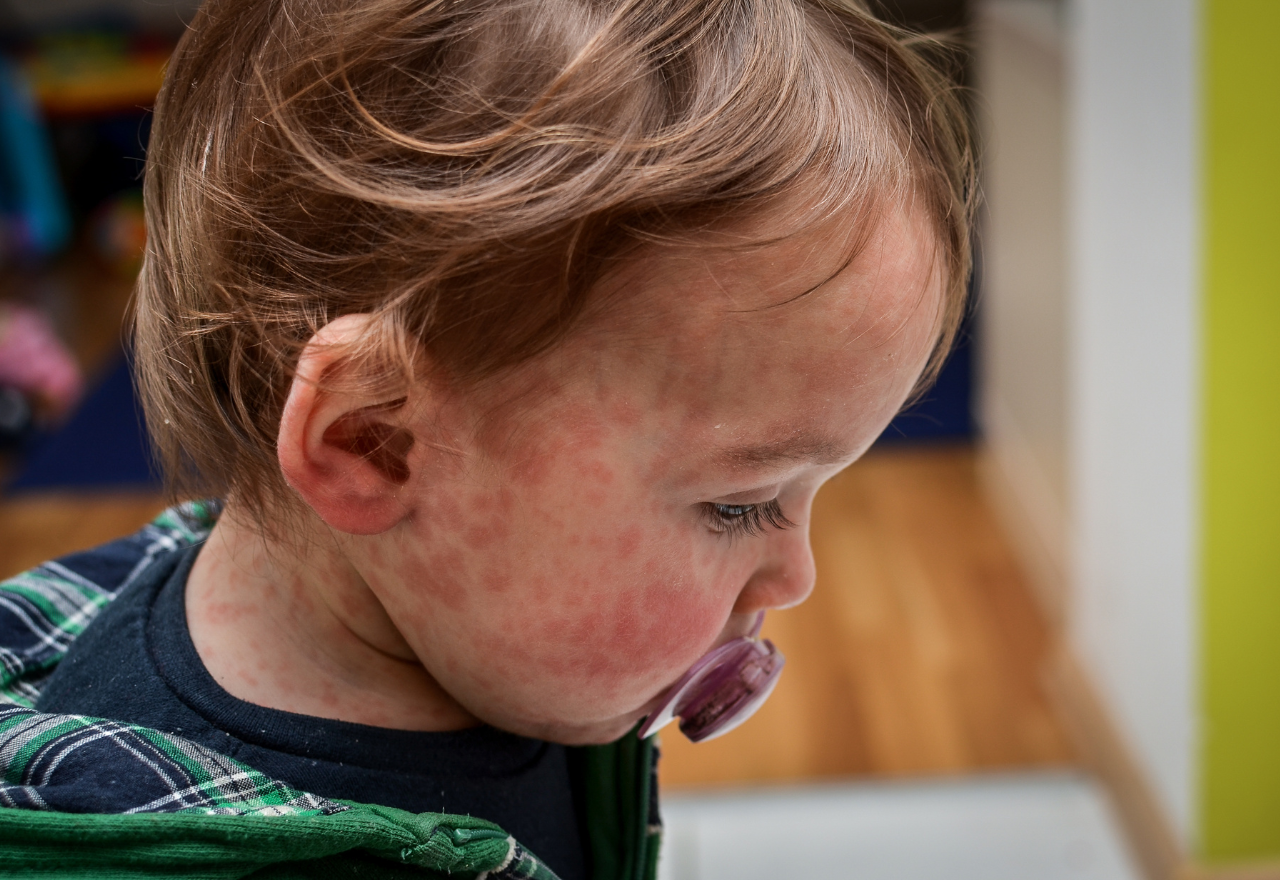
Northern NSW Local Health District is advising people to be alert for signs and symptoms of measles after being notified of a confirmed case who was unknowingly infectious while visiting Lismore Base Hospital.
The case had recently returned from Asia, where there are ongoing outbreaks of measles in several countries.
People who attended the following location at the specified times should watch for the development of symptoms. This location does not pose an ongoing risk.
Saturday, 21 February 2026
Lismore Base Hospital, Emergency Department, 5:45pm to 11:20pm.
New exposure sites have been added to the NSW Health website. Exposure locations and times are updated regularly, and the community is urged to continue to check for new information.
If it has been less than 6 days since the exposure at this location and you are pregnant, have a weakened immune system or have an infant who was exposed, you are advised to contact your local public health unit on 1300 066 055.
There is currently an increased risk of measles in NSW, with 21 cases confirmed since 1 January 2026.
Regional Director of North Coast Population and Public Health, Dr Valerie Delpech, said anyone who visited the above location at those times should monitor for symptoms.
“Measles is a vaccine preventable disease that is spread through the air when someone who is infectious coughs or sneezes,” Dr Delpech said.
“Symptoms to watch out for include fever, sore eyes, runny nose and a cough, usually followed three or four days later by a red, blotchy rash that spreads from the head and face to the rest of the body.
“Anyone with early symptoms who gets a rash a few days later should also think about measles, even if they haven't attended one of the identified locations and seek testing.
“It can take up to 18 days for symptoms to appear after an exposure, so it's important for people who visited this location to look out for symptoms up until 12 March 2026.
“If they develop symptoms, they should call ahead to their GP or emergency department to ensure they do not spend time in the waiting room with other patients.
“We want to remind the community to make sure they are up to date with their vaccinations. Measles vaccine can prevent the disease even after exposure, if given early enough.
“Anyone born after 1965 needs to ensure they have had two doses of measles vaccine. This is especially important before overseas travel, as measles outbreaks are occurring in several regions of the world at the moment."
Measles-mumps-rubella (MMR) vaccine is safe and effective and is recommended for children at 12 and 18 months of age. It is free in NSW for anyone born after 1965 who hasn't already had two doses.
Children under the age of 12 months can have their first dose of MMR up to 6 months early if they are travelling overseas. Parents should consult their GP.
People who are unsure of whether they have had two doses should get a vaccine, as additional doses are safe. This is particularly important prior to travel. MMR vaccine is available from GPs (all ages) and pharmacies (people over 5 years of age).
For more information on measles, view the measles factsheet.
People can also visit the Australian Government Smart Traveller website for information on health risks, including measles outbreaks relevant to their travel destination
If you, or a loved one, is experiencing measles symptoms, or have questions about measles, please call your GP or Healthdirect on 1800 022 222.