Local farmers receive support to lower emissions through On-Farm Carbon Advice

04 February 2026, 6:15 PM
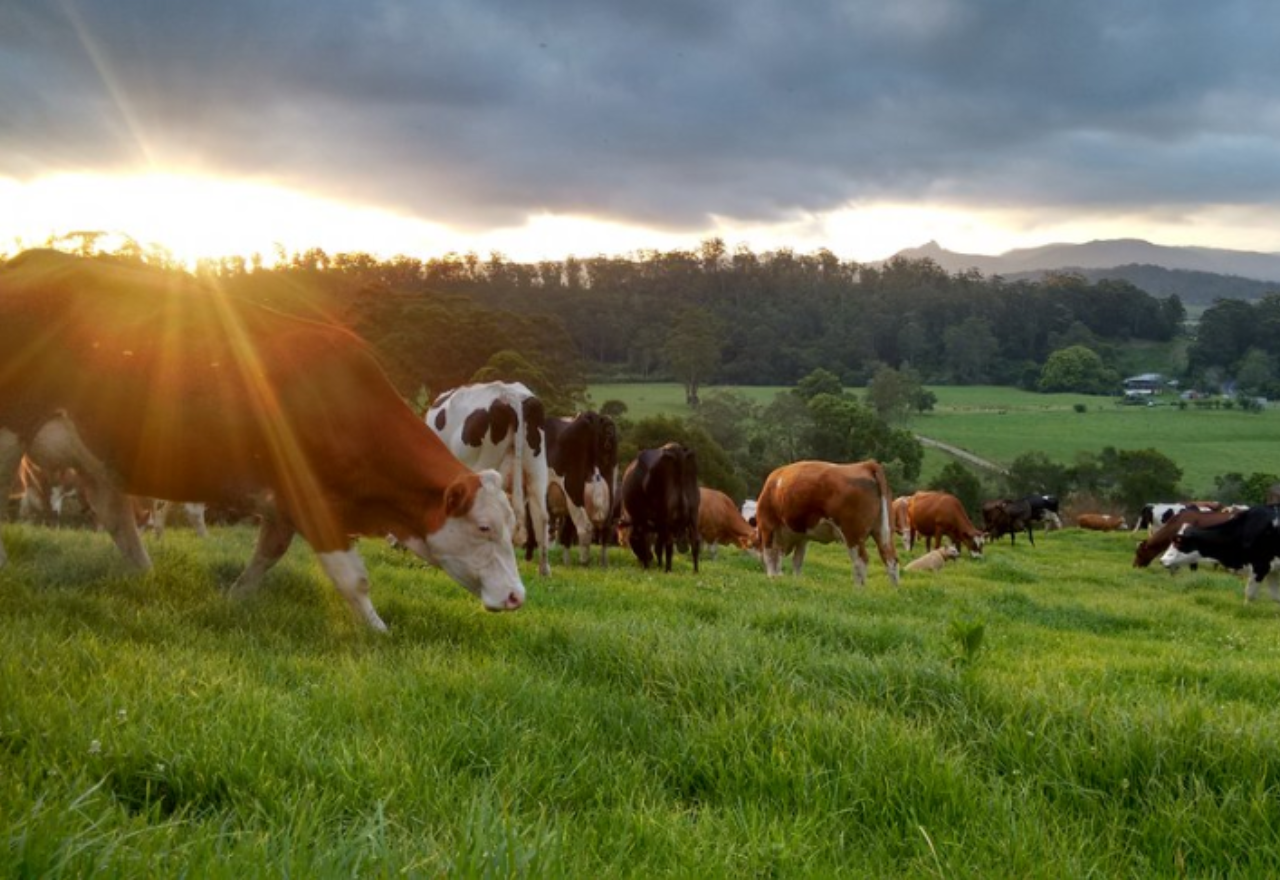
More than 120 farmers across the state, including the Northern Rivers, are working with state government experts to develop plans to understand, manage and reduce greenhouse gas emissions on their property.
The Government’s On-Farm Carbon Advice project is helping farmers across the state navigate the transition to a more sustainable and low-emissions future, while ensuring they are well-equipped to meet evolving industry standards.
The plans are designed to help farmers baseline their emissions, understand where their emissions are coming from, and what carbon farming practices they can implement across various types of properties, including extensive livestock, dairy and mixed farming systems.
The core objective of the project is to help farmers transition towards a low-emissions future by building capacity to manage carbon within their farm businesses.
Each of these tailored plans includes:
- Emission Profile: A detailed breakdown of on-farm emissions for a calendar or financial year, covering activities such as livestock management, cropping, fertiliser use, plant protection products, fuel, and energy.
- Emission Intensity: An estimate of emission intensity, representing the emissions associated to the farm’s primary agricultural products such as emissions per kg of beef, sheep, wool or tonne of wheat.
- Mitigation Strategies: Information on practical options for emissions avoidance, reduction, and carbon sequestration, tailored to each farm’s capabilities and land potential.
- Natural Asset Mapping: Mapping of the farm’s natural assets, including soil carbon stocks, and woody vegetation and where plantation projects could occur to sequester carbon.
Casino dairy farmer, Fleur Tonge, said, “The time and effort working with carbon experts has helped us better understand how we can reduce greenhouse emissions on our properties.
“These reports are presented in an easy-to-understand manner with sound data and recommendations.
“It is an issue that needed to be addressed, and we feel far more confident of how our farm is performing now."
This project is a collaboration between the NSW DPIRD and the NSW Department of Climate Change, Energy, the Environment and Water (DCCEEW) and is part of the Primary Industries Productivity and Abatement Program (PIPAP).
For more information on the On-Farm Carbon Advice Project and Farm Carbon Management Plans, please visit https://www.dpi.nsw.gov.au/dpi/climate/Low-emissions-agriculture/On-farm-Carbon-Advice.
Minister for Agriculture Tara Moriarty said, “The NSW Government is dedicated to supporting farmers through initiatives like the development of tailored Farm Carbon Management Plans, to help manage greenhouse gas emissions on individual farms.
"These plans offer a comprehensive tool, providing farmers with a clearer understanding of their specific emissions profiles and how they compare with their peers.
"Farmers from diverse agricultural sectors, including dairy, extensive beef, sheep, wool, and mixed farming, have already benefited from these plans.
"The project has received positive feedback from farmers, who have highlighted the value of personalised guidance and the practical, actionable insights these plans provide, often leading to more efficient enterprises.
"Through the creation of these Farm Carbon Management Plans, the project aims to empower farmers with the knowledge to make informed decisions regarding their on-farm emissions and explore effective mitigation strategies.
“It will help farmers meet the emerging demand, from their supply chains and customers, for low-carbon produce, and secure their market access into the future. It will also highlight opportunities for farmers to participate in carbon markets.
“By fostering a collaborative environment and offering practical resources, these efforts aim to empower farmers to implement sustainable, carbon-reducing strategies in their operations.”