Everyday Toilet Problems You’ll See in Most Homes (10 Examples)

15 January 2026, 10:22 PM
Everyday Toilet Problems You’ll See in Most Homes (10 Examples)
Here we go again, it’s 6:30 in the morning, you’re half-awake, and the toilet refuses to flush properly.
You wait a second, and try again like it might magically cooperate this time. Nothing happens, except that familiar sinking feeling in your stomach.
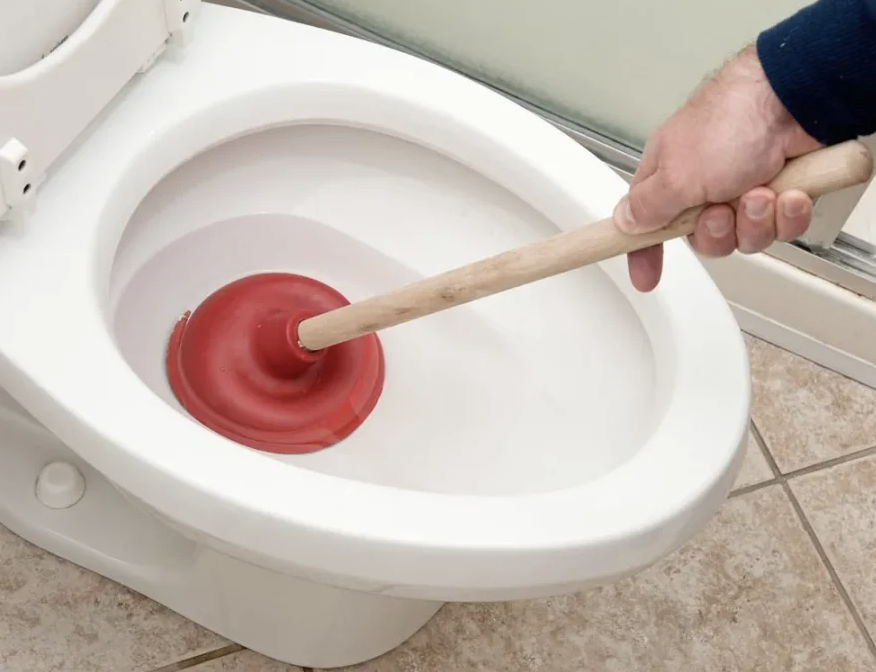
When you're staring down a blocked toilet, residents find themselves in this exact spot, wondering if they can fix it before the morning rush really kicks in.
Situations like this make it clear how useful it is to recognise common toilet problems and deal with them before they spiral into plumbing headaches.
#1 The Phantom Flush
Ever had your toilet suddenly start flushing all by itself in the middle of the night? That spooky "phantom flush" is a super common household glitch, and it’s just a sign that you’ve got a slow leak hidden inside the tank. Here are the most likely reasons your toilet is acting like it has a mind of its own:
- The rubber flapper at the bottom of the tank degrades or warps
- If the lift chain is too short or tangled, it can pull the flapper up just enough to let water trickle through
- Mineral deposits building up on the plastic or metal seat where the flapper rests
- A faulty fill valve might overfill the tank, causing water to spill into the overflow tube and trigger a refill cycle
#2 The Weak Flush
You push the handle, and instead of a powerful rush, the water just lazily swirls around or drains so slowly that the bowl doesn't clear.
It ends with you standing there waiting to flush a second or third time, which not only wastes a ton of water but also leaves you worried about a potential backup.
This sluggishness happens because your tank isn't holding enough water to create a strong siphon, usually because the fill valve is set too low. Another common culprit is a buildup of calcium or lime in the tiny rim jets under the seat.
#3 The Constantly Running Toilet
This happens because water is constantly leaking out of the tank and into the bowl, which tricks the toilet into thinking it needs to stay "on" to keep the tank full.
The most common culprit is a leaky flapper that has become brittle or dirty. If the flapper looks fine, the issue might be the refill tube, which is the small flexible hose inside the tank; if it’s too long or positioned incorrectly, it can create a siphon effect that constantly pulls water out.
Another possibility is a misaligned float arm or a faulty fill valve that is set too high, causing water to constantly spill into the overflow tube.
#4 Water Leaking at the Base
Unlike a leak inside the tank, water at the base means the seal between the toilet and the floor has been compromised. This is a serious everyday problem because that water can quickly seep into your flooring.
The most frequent cause is a compromised wax ring. This ring sits between the toilet and the drain pipe to create a watertight seal, but it can dry out, crumble, or get squashed if the toilet isn't bolted down tightly.
In common cases, the leak might be coming from a cracked porcelain base or a loose water supply line dripping down the back.
#5 Rusty or Corroded Bolts
Usually, it’s just a case of old age combined with all that bathroom moisture. Especially common in older places where the bolts weren't made of rust-proof stuff like brass or stainless steel.
If you’ve got a tiny, hidden leak, that constant dampness acts like salt air and makes the metal rust way faster. Even those super strong chemical cleaners you drop in the tank can eat away at the bolts over time. It’s definitely something to keep an eye on, because if those bolts finally snap, you’re looking at a sudden, messy flood!
Because bathrooms are naturally humid and toilets often "sweat," those metal bolts are constantly under attack from moisture.
#6 The Clogged Drain
"Uh oh... grab the plunger!" We’ve all been there. Most of the time, a clog happens because we’ve sent a bit too much down the drain at once. If it’s not the paper, you might be dealing with a "sneaky" clog caused by random household items that definitely don't belong in the pipes:
- small plastic cars or figurines
- hair ties & dental floss
- cotton rounds & q-tips
Constant toilet clogs can sometimes start above your home. When the roof vent gets blocked by debris or nests, it disrupts airflow and makes flushing harder than it should be.
#7 A "Double Flushing" Toilet
A double flush is a huge water-waster. This happens when the toilet completes a full flush and then immediately follows it up with a second, smaller one. It’s annoying because you’re essentially paying for two flushes every time you use the bathroom.
When there’s too much water, the weight of it pushes the flapper back down, but then the "rebound" of the water causes the flapper to bob back up for a second round. It can also be caused by using the wrong type of flapper; if you bought a "universal" one that stays afloat too long, it won't close until the tank has tried to empty itself twice.
#8 The Whistling Fill Valve
If you hear a sharp, high-pitched whistle or a vibrating "foghorn" sound while the tank is refilling, you’ve got a whistling fill valve. This is almost always caused by a worn-out internal gasket or washer inside the fill valve. As the water squeezes through a tiny tear in that old rubber, it vibrates at a high frequency and thus, turning your toilet into a giant whistle.
#9 The Hissing Sound
While the whistling sound is a mechanical vibration, the hiss is the sound of water and air escaping through a seal that isn't quite closed. It is essentially a "leak" you can hear. This hissing happens because a tiny grain of sand or a mineral deposit has become lodged in the valve head.
If your toilet is whistling at you, you likely need to replace the little rubber washer inside the valve. However, if you’re hearing that constant hiss, you might just need to clean out some trapped debris or adjust the float so the valve can finally shut off all the way.
#10 The Slow-Filling Tank
A slow-filling tank is one of those problems that you don’t notice until you’re in a hurry. You flush, and then you wait… and wait.
The most common reason for this "slow-motion" refill is a partially closed water supply valve; if that knob behind the toilet was bumped or wasn't opened all the way, the tank will take forever to fill. Over time, mineral buildup or "scale" from hard water can also clog the internal parts of the fill valve
Maintenance Is Your Best Defence
Most toilet problems aren’t random or rare. They’re common, predictable, and usually caused by worn parts or airflow issues. What feels like a sudden failure often builds up quietly over time.
Addressing a small "phantom flush" or a wobbly base today is the difference between a $20 DIY fix and a $1,000 emergency plumbing bill. When it comes to your bathroom, maintenance is always cheaper than a meltdown.