Essential Chicken Coop Features for Australian Climates

14 January 2026, 11:19 PM
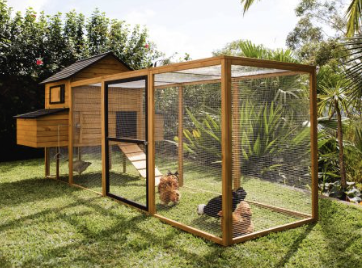
Australia is a large country with a plethora of different environmental conditions and climates. Within the country, you could find humid rainforests, breezy coastal towns, and arid desert landscapes as far as the eye can see.
In some cases, the weather in a particular region can switch up dramatically in just a small timeframe. It could be cold and wet in the morning, and scorching during midday.
Given these variances, livestock keepers need to be proactive in ensuring that their flock’s primary habitat is adequate to fulfil their needs. This means putting up a chicken coop structure that can readily withstand extreme heat, sudden downpours, strong winds, and fluctuating temperatures.
If you want to find out which features are essential for your chicken coop, then you’re in the right place. This article will showcase some notable features you should incorporate in your chicken coop to ensure that it’s viable in the Australian climate and weather conditions.
Let’s jump right into it.
Proper Ventilation
One of the most critical features of a chicken coop in Australia is effective ventilation. Many regions in Australia can get unbearably hot, reaching up to 40 degrees Celcius and more. Heat waves are also fairly frequent, especially during the summer season.
These hot conditions are uncomfortable not just for humans, but also for animals. This is especially the case if you’re housing fluffy chicken breeds like Orpingtons, Silkies, and Faverolles. Some black-coloured chickens can also be susceptible to heat-related symptoms if the coop doesn’t have enough ventilation.
When a chicken gets too hot, they won’t only be uncomfortable. Their egg production and health may also be negatively affected. This is why it’s essential to ensure that your chicken coop is well-ventilated.
Incorporating ventilation into your chicken coop for air to flow in and out is not a difficult task. To create an easy makeshift vent, you can add mesh-covered windows or openings on opposite sides of the coop to encourage cross-ventilation. You can also buy ready-made coops from animal supply retailers like Somerzby.
You can also be more intentional and add rooftop vents atop the coop’s roofline. This allows warm air to naturally get released on top, creating a more comfortable situation in the coop. Cold air during wintertime won’t blow directly onto the chickens with this setup as well.
In any case, adding vents and airflow mechanisms in your coop can help make your chickens’ main habitat cooler and more comfortable. This, in turn, can help them stay productive and healthy throughout the year, regardless of the season outside.
Predator Fencing
Another feature you should have in your chicken coop is the right fences. Fences not only close your flock in preventing them from escaping, but they also serve as deterrents to keep predators at bay.
In Australia, various predators can pose a threat to your flock. Some prominent examples of predators you can find all across Australia include snakes, quolls, goannas, rats, dogs, and eagles.
These threats can find weak spots in your coop structure and gnaw or claw their way through, potentially leaving you with ruffled feathers and fewer chickens the morning after.
If you want your chicken coop to remain safe from these threats, it’s essential to put up fencing structures around the vicinity of your chicken coop and run. Default chicken wire wouldn’t cut it, as they can easily be bent, chewed through, or breached by determined predators.
You should instead use sturdier wires to keep your chicken safe. You should also consider burying the fences under the ground to prevent diggers and burrowers, and put up a net to deter aerial predators.
By securing your coop with the right fences, your chickens will be safe day and night, even without your constant supervision. Just be sure to reinforce it with regular maintenance to ensure vulnerabilities get patched at once.
Interior Essentials
Another crucial feature that you should be mindful of when designing your chicken coop is the interiors. The interiors of the coop ensure that the chickens are cosy and productive inside their resting space.
There are a few things a coop interior should include. One is a roosting bar, which gives chickens a comfortable and elevated place to sleep at night. Another interior feature to include is a nesting box, which is a quiet and enclosed space where hens can lay their eggs.
You should also add flooring and bedding in the coop interior. Wood shavings and straw are excellent materials for the job, as they can maintain hygiene and prevent moisture from seeping into the structure itself.
In any case, having a chicken coop with all the essential interiors in place can help make your flock a happy and productive flock with little risk of sickness.
Waterproofing and Climate Control Materials
Another essential feature to consider when building a chicken coop in Australia is proper weatherproofing. The country is known for having heavy rains and strong winds due to monsoons and frontal systems, especially in the far north and Tasmania regions.
It’s essential to prop your coop with adequate weatherproofing materials to ensure that your flock stays dry and happy throughout various seasons. If the coop gets too wet, it could harbour bacteria and cause respiratory issues—leading to expensive health bills and low egg production numbers.
As this is the case, it’s essential to add weatherproofing materials all around your coop to maximise the interior dryness. You can start by using sloped rooftops and gutters to drive rainfall away from the main structure. You should also seal walls to ensure that water doesn’t seep through exposed areas.
If you’re worried about weatherproofing materials interfering with ventilation, then the good news is that both can work hand in hand when designed properly.
Modern coop designs have insulated panels, sealed roofing, and adjustable shutters that allow air to flow in and out. This way, you can protect your flock during poor weather conditions while also having an option to drive stuffy air out when the weather is more pleasant.
Hygiene Supplies and Structures
Spot cleaning your chicken coop is something you should be constantly mindful of. As this is the case, you’d want to ensure that you have the proper materials and supplies in place to ensure that your coop is properly cleaned during cleaning time.
To keep your space clean, you should install sanitary pads and removable trays below roosting bars and other frequented areas to make daily cleaning an easier task. These surfaces help collect accumulated droppings without deteriorating the coop’s flooring, making your space easy to clean overall.
Besides these supplies, you should also add wood shavings to keep the floors dry and comfortable all-year-round. Replace them frequently to ensure that they don’t produce a foul odour or harbour bacteria.
By incorporating these sanitation-focused maintenance features, you can create a cleaner environment that supports your flock’s health.
All the best in maintaining your coop!