Cancer survival in NSW at an all-time high

01 December 2025, 10:51 PM
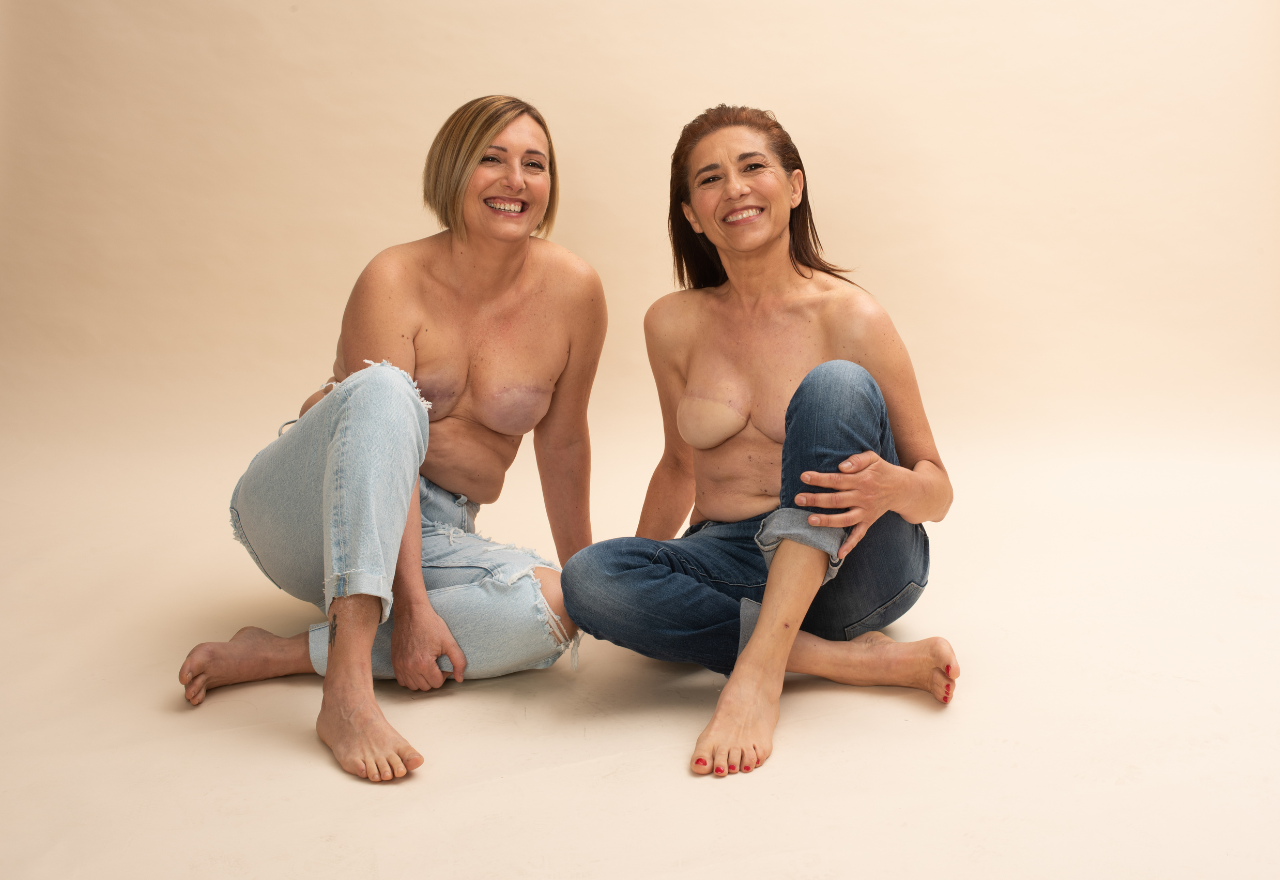
Cancer survival rates in NSW are at an all-time high, with 73 per cent of people surviving at least 5 years after a cancer diagnosis, up from 71 per cent, according to a new report from the Cancer Institute NSW.
The Cancer in NSW Report 2025 highlights the state’s collaborative, world-leading efforts to reduce cancer’s burden and how advancements in immunotherapy, genomics and diagnostics, as well as digital health and artificial intelligence, are transforming the way we prevent, detect and treat cancer.
The report shows cancer incidence rates are stabilising and mortality rates are decreasing, with bowel and lung cancers having the greatest decrease in mortality rates over the past ten years.
The report also outlines key efforts underway to reduce inequitable cancer outcomes, with Aboriginal people twice as likely to die from cancer than non-Aboriginal people, and people with the lowest socioeconomic status 50 per cent more likely to die from cancer than people with a high socioeconomic status.
Initiatives to boost access to cancer clinical trials, including targeted grants for priority populations, are increasing participation. Nearly 3,300 people enrolled in a cancer clinical trial in 2024–25, up from 2,571 the previous year. The number of unique clinical trials also grew from 795 to 858.
Other key initiatives highlighted in the report helping to improve cancer outcomes include:
- $21 million to support research in prevention and early detection, diagnosis, treatment and living well with and beyond cancer
- 15 behaviour change campaigns on anti-vaping and anti-tobacco, breast, bowel and cervical screening and skin cancer prevention
- The introduction of machine reading technology to support radiologists to interpret mammography images, as well as breast density reporting across BreastScreen NSW.
Now in its sixth iteration, the NSW Cancer Plan 2022-2027 is helping guide the state’s cancer control efforts. As the state’s dedicated cancer control agency, the Cancer Institute NSW is working together with more than 80 organisations across government, non-government and community to reduce cancer’s impact and save more lives.
The NSW Government invests around $180 million each year, through the Cancer Institute NSW, to improve cancer outcomes and lessen its impact for people across the state.
Key insights from the report:
- The 5-year cancer survival rate is 73% (for 2017-21, up from 71% in the previous five year period)
- 55,719 people in NSW are expected to be diagnosed with cancer in 2025
- 16,241 people in NSW are expected to die from cancer in 2025
- 1 in 2 people will be diagnosed with cancer by the age of 85
- People living in regional and rural NSW have an 11% increased risk of receiving a cancer diagnosis, and an almost 20% increased risk of death from cancer than their city counterparts
- Aboriginal people are 1.4 times more likely to be diagnosed with cancer and 2 times more likely to die from the disease than non-Aboriginal people
- The most socioeconomically disadvantaged people in NSW are 1.5 times more likely to die from cancer than the least socioeconomically disadvantaged
- The 5 most common cancers expected to be diagnosed by the end of 2025 are prostate, breast, melanoma of the skin, bowel and lung cancer
- The 5 most common causes of cancer death by the end of 2025 are expected to be lung, bowel, pancreatic, prostate and breast cancer
- Overall incidence rates of cancer in people under 50 years-old has risen slightly, with the incidence rate 6% higher in 2023 than in 2014
- 269 children aged 0-14 years are expected to be diagnosed with cancer in 2025
- 392 adolescents and young adults (15-24 years) are expected to be diagnosed with cancer in 2025.
Health Minister Ryan Park said, “Cancer is a disease that doesn’t discriminate and has the power to change lives in an instant. While our state’s survival rates rank among the best in the world, collectively cancers remain the leading cause of premature disease related death.
“Our growing and ageing population means the demands on cancer care will continue to rise, so it’s absolutely critical our efforts continue to rise and meet this.
“There’s still a lot more to do, but we’re deeply committed to improving cancer outcomes and addressing the unique needs of our diverse communities, I’m proud to see this highlighted in the report.”
NSW Chief Cancer Officer and Chief Executive Cancer Institute NSW, Professor Tracey O’Brien AM said, “While NSW is recognised as a global leader in cancer outcomes, very few people are untouched by this devastating disease, and we must continue with our efforts to tackle cancer and its profound burden on our community collectively.
“At the heart of this report are the unique perspectives and experiences of people living with and beyond cancer and the world-leading teams of experts and community leaders working together to change the future of cancer.”